What Makes Stainless steel Fermentation vessel Ideal for Beer Production
The brewing process is complex and requires precision at every step, but one of the most critical elements is the fermentation stage. A Stainless steel fermentation vessel is widely regarded as the ideal solution for beer production due to its durability, hygiene, and efficiency. Understanding what makes stainless steel fermentation vessel ideal for beer production can help breweries and home brewers optimize fermentation, ensure consistency, and maintain high-quality standards.
Stainless steel fermentation vessels have become the industry standard for breweries of all sizes. Their design and material characteristics contribute to precise fermentation control, easier yeast management, and simplified cleaning procedures. Selecting the correct vessel impacts the overall beer quality and production workflow.
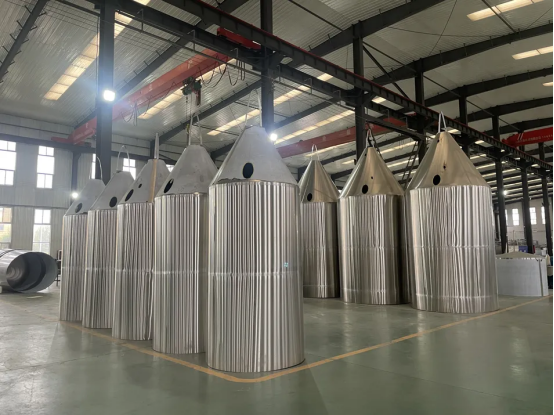
1. Understanding Stainless Steel Fermentation Vessels
A stainless steel fermentation vessel is a container made from food-grade stainless steel, designed specifically for fermenting wort into beer. These vessels are engineered to withstand pressure, maintain temperature, and prevent contamination, making them ideal for beer production.
Key characteristics include:
Corrosion-resistant stainless steel construction
Conical or cylindrical design for sediment separation
Valves and ports for draining, sampling, and yeast Harvesting
Integration with temperature control systems
Learning what makes stainless steel fermentation vessel ideal for beer production begins with recognizing these fundamental design features.
2. Material Quality and Durability
The material of a fermentation vessel directly affects its lifespan, hygiene, and performance. Stainless steel is preferred because it is non-porous, corrosion-resistant, and robust under repeated use.
Benefits of stainless steel:
Withstands acidic conditions from Beer fermentation
Maintains structural integrity under pressure
Supports easy and effective cleaning
Reduces contamination risk
High-quality material is a core reason what makes stainless steel fermentation vessel ideal for beer production.
3. Conical Design Advantages
Many stainless steel fermentation vessels feature a conical bottom, which allows sediment and yeast to collect efficiently at the base.
Conical bottom benefits:
Simplifies yeast harvesting for reuse
Reduces sediment contact with beer
Improves beer clarity and flavor
Supports easier racking and bottling
The conical design is one of the main reasons a stainless steel fermentation vessel is considered ideal for beer production.
4. Temperature Control for Optimal Fermentation
Maintaining the right fermentation temperature is essential for yeast health and flavor consistency. Stainless steel fermentation vessels often include cooling jackets or ports for integrating external temperature control systems.
Temperature control benefits:
Maintains stable fermentation conditions
Prevents off-flavors caused by temperature fluctuations
Supports fermentation of various beer styles
Enhances yeast performance and activity
Effective temperature management is a critical factor in what makes stainless steel fermentation vessel ideal for beer production.
5. Yeast Management and Harvesting
Yeast is the driving force behind fermentation. Proper yeast management increases efficiency and reduces costs.
Yeast management advantages:
Conical bottom allows easy separation
Minimal yeast waste for multiple batches
Reduces risk of contamination
Improves fermentation consistency
A stainless steel fermentation vessel’s design supports efficient yeast handling, a key element in why it is ideal for beer production.
6. Hygiene and Cleaning Efficiency
Sanitation is critical in brewing. Stainless steel surfaces are non-porous, which makes cleaning simpler and more effective than plastic or wooden vessels.
Cleaning benefits:
Smooth surfaces prevent microbial buildup
Compatible with cleaning-in-place (CIP) systems
Valves and ports allow thorough cleaning
Maintains hygienic fermentation conditions
Easy cleaning is a major reason what makes stainless steel fermentation vessel ideal for beer production.
7. Pressure Handling and Safety
Commercial fermentation often involves pressure from carbonation. Stainless steel fermentation vessels are designed to withstand these pressures safely.
Safety features:
Reinforced construction prevents deformation
Pressure relief valves minimize risk
Sealed lids allow controlled fermentation
Durable materials ensure operational reliability
Pressure management contributes to the vessel being considered ideal for beer production.
8. Port and Valve Configuration
Valves and ports improve operational efficiency by allowing sampling, draining, and ingredient addition without contamination.
Valve system advantages:
Enables easy racking and transferring of beer
Allows sampling for quality control
Supports yeast collection and reuse
Reduces cleaning challenges
Valve and port design is another reason stainless steel fermentation vessel is ideal for beer production.
9. Automation and Monitoring Capabilities
Modern brewing often involves digital monitoring for precise fermentation control. Stainless steel fermentation vessels are compatible with automated systems.
Automation benefits:
Real-time temperature monitoring
Pressure control for carbonation
Fermentation tracking for quality assurance
Integration with brewery management software
Automation ensures predictable results, enhancing why stainless steel fermentation vessels are ideal for beer production.
10. Energy Efficiency and Sustainability
Sustainable brewing practices are increasingly important. Stainless steel fermentation vessels contribute to energy efficiency.
Sustainability advantages:
Insulated jackets reduce energy loss
Reusable yeast minimizes raw material waste
Long-lasting equipment reduces replacements
Efficient cooling systems reduce power consumption
Energy efficiency reinforces why a stainless steel fermentation vessel is ideal for beer production.
11. Scalability for Breweries
Stainless steel fermentation vessels are scalable, making them suitable for breweries of different sizes.
Scalability benefits:
Available in various sizes for small to large batches
Modular designs allow multiple vessel setups
Maintains performance consistency across different scales
Simplifies expansion in growing breweries
Scalability makes stainless steel fermentation vessels practical and ideal for beer production at commercial levels.
12. Quality Control and Consistency
Consistent beer quality is a top priority for breweries. Stainless steel vessels allow precise control over fermentation variables.
Quality control benefits:
Stable temperature and pressure
Reduced risk of contamination
Reliable yeast performance
Predictable flavor and aroma profiles
Quality assurance is a major reason stainless steel fermentation vessel is ideal for beer production.
13. Maintenance and Longevity
Maintenance is simpler with stainless steel vessels due to their durable, non-porous material.
Maintenance advantages:
Resistant to corrosion and wear
Minimal replacement of parts
Easy inspection and cleaning
Supports long-term operational reliability
Longevity ensures breweries benefit from a wise investment in fermentation equipment.
Breweries often make mistakes when selecting fermentation vessels. Avoid:
Using undersized vessels for batch volume
Neglecting temperature control needs
Choosing low-quality materials
Ignoring cleaning and valve accessibility
Overlooking scalability for future expansion
Avoiding these mistakes maximizes the advantages of a stainless steel fermentation vessel.
15. Final Thoughts
Understanding what makes stainless steel fermentation vessel ideal for beer production helps brewers optimize their operations. Factors such as material quality, conical design, temperature control, yeast management, sanitation, pressure handling, and scalability all contribute to its superiority over other fermenter types.
A properly chosen stainless steel fermentation vessel ensures consistent beer quality, efficient operations, and long-term reliability. Whether for commercial breweries or advanced home setups, this vessel remains the ideal choice for modern beer production.
 +86 29-87031531



 電話
電話
コメント
(0)