Commercial Stainless steel fermenter Buying Guide for Breweries
Choosing the right fermentation equipment is one of the most important decisions for any brewery. A commercial Stainless steel fermenter plays a central role in beer production, directly influencing fermentation efficiency, beer quality, and operational stability.
This commercial stainless steel fermenter buying guide for breweries is designed to help brewery owners and operators understand key selection factors such as size, design, material quality, temperature control, yeast management, and long-term performance. Making the right decision ensures consistent brewing results and efficient production workflows.
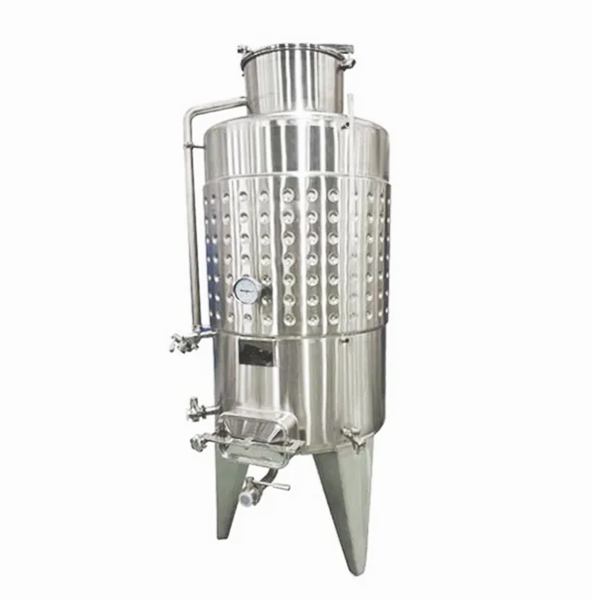
1. Introduction to Commercial Stainless Steel Fermenters
A commercial stainless steel fermenter is a large-scale Fermentation vessel used in breweries to convert wort into beer under controlled conditions. It is typically made of food-grade stainless steel and designed for durability, hygiene, and precision fermentation control.
Understanding the commercial stainless steel fermenter buying guide for breweries begins with recognizing its importance in the brewing process. The fermenter is where yeast activity determines flavor, aroma, alcohol content, and overall beer quality.
2. Why Stainless Steel is the Industry Standard
Stainless steel is the preferred material for Commercial fermenters due to its superior performance characteristics.
Key advantages include:
High corrosion resistance
Non-reactive surface for clean fermentation
Easy cleaning and sanitation
Long-term durability under pressure and temperature changes
These benefits make stainless steel essential in any commercial stainless steel fermenter buying guide for breweries, ensuring reliable and hygienic beer production.
3. Determining the Right Fermenter Size
One of the most important factors in the commercial stainless steel fermenter buying guide for breweries is selecting the correct size.
Size considerations:
Match fermenter volume with brewery production capacity
Allow headspace for fermentation foam and CO₂ release
Plan for future production expansion
Consider batch frequency and output targets
Proper sizing ensures efficient fermentation cycles and reduces production bottlenecks in breweries.
4. Fermenter Design Types
Design plays a major role in fermentation efficiency. The most common type in commercial brewing is the Conical fermenter.
Design benefits include:
Conical bottom for yeast and sediment separation
Cylindrical body for stable fermentation conditions
Bottom valves for easy yeast Harvesting
Sampling ports for quality control
The commercial stainless steel fermenter buying guide for breweries emphasizes design as a key factor in operational efficiency.
5. Temperature Control Systems
Temperature management is critical in fermentation. Modern stainless steel fermenters often include cooling jackets or integrated temperature control systems.
Benefits of temperature control:
Maintains optimal yeast activity
Prevents fermentation stress and off-flavors
Supports different beer styles (ale, lager, etc.)
Improves batch consistency
Temperature control is a core selection factor in any commercial stainless steel fermenter buying guide for breweries.
6. Pressure Handling Capability
Commercial fermenters must handle internal pressure safely, especially for carbonation and sealed fermentation processes.
Pressure features include:
Reinforced stainless steel structure
Pressure relief valves
Sealed lids for controlled fermentation
Safety-rated design for industrial use
This ensures safe and efficient brewing operations in commercial environments.
7. Yeast Management Efficiency
Yeast management is a critical part of brewing efficiency. A well-designed fermenter allows easy yeast harvesting and reuse.
Yeast management advantages:
Conical bottom simplifies yeast collection
Reduces waste and improves cost efficiency
Maintains yeast health for multiple batches
Enhances fermentation consistency
Efficient yeast handling is a major factor in the commercial stainless steel fermenter buying guide for breweries.
8. Hygiene and Cleaning System
Cleanliness is essential in brewing to prevent contamination and ensure consistent beer quality.
Cleaning features include:
Smooth stainless steel surfaces
Compatibility with CIP (clean-in-place) systems
Easy access to valves and ports
Reduced microbial buildup
Hygiene is a top priority in any commercial stainless steel fermenter buying guide for breweries.
9. Automation and Monitoring Systems
Modern breweries increasingly rely on automation to improve efficiency and consistency.
Automation features include:
Digital temperature monitoring
Pressure sensors and control systems
Automated fermentation tracking
Remote monitoring capabilities
These systems improve production accuracy and reduce manual labor requirements.
10. Energy Efficiency and Sustainability
Energy efficiency is an important consideration in modern brewery operations.
Sustainability benefits:
Insulated tanks reduce energy loss
Efficient cooling systems reduce power consumption
Yeast reuse reduces raw material waste
Long-lasting equipment reduces environmental impact
Energy efficiency is an important part of the commercial stainless steel fermenter buying guide for breweries.
11. Durability and Long-Term Investment
A commercial stainless steel fermenter is a long-term investment.
Durability benefits:
Resistant to corrosion and wear
Withstands repeated cleaning cycles
Maintains performance over years of use
Reduces replacement costs
Durability ensures breweries get long-term value from their equipment investment.
12. Installation and Space Planning
Proper installation is essential for efficient brewery operations.
Planning considerations:
Available floor space and ceiling height
Accessibility for cleaning and maintenance
Integration with brewing systems
Future expansion planning
Good installation planning ensures smooth workflow in breweries.
13. Maintenance Requirements
Maintenance plays a key role in fermenter performance.
Maintenance tasks include:
Regular cleaning and sanitization
Inspection of seals and valves
Monitoring for corrosion or wear
Ensuring temperature system functionality
Proper maintenance extends equipment lifespan and ensures consistent brewing results.
When selecting equipment, breweries should avoid common mistakes such as:
Choosing incorrect fermenter size
Ignoring cleaning system compatibility
Overlooking temperature control features
Selecting low-quality materials
Failing to plan for scalability
Avoiding these mistakes improves long-term brewing efficiency.
15. Cost vs Value Consideration
While cost is important, value should be prioritized over initial price.
Cost considerations:
A proper investment ensures long-term profitability.
16. Scalability for Brewery Growth
Breweries often expand production over time. A good fermenter system supports scalability.
Scalability benefits:
Multiple tank configurations
Modular expansion options
Consistent performance across different sizes
Easy integration into larger systems
Scalability is a key part of the commercial stainless steel fermenter buying guide for breweries.
17. Quality Control and Consistency
Fermentation consistency is essential for beer quality.
Quality control benefits:
Stable fermentation environment
Accurate monitoring systems
Reduced batch variation
Improved flavor consistency
High-quality fermenters ensure reliable production results.
18. Conclusion
This commercial stainless steel fermenter buying guide for breweries highlights the key factors involved in selecting the right fermentation equipment. From material quality and design to temperature control, yeast management, hygiene, and scalability, every aspect plays a critical role in brewing success.
A well-chosen commercial stainless steel fermenter ensures consistent beer quality, efficient production, and long-term operational stability. Breweries that invest in the right equipment gain a significant advantage in productivity and product consistency.
 +86 29-87031531



 電話
電話
コメント
(0)