Stainless steel Conical fermenter Temperature Control Explained
Temperature is one of the most critical factors in Beer fermentation. A Stainless steel conical fermenter provides precise temperature management, making it ideal for consistent, high-quality beer production. Understanding stainless steel conical fermenter temperature control explained helps breweries optimize fermentation efficiency, yeast activity, and operational workflow while maintaining hygiene and product quality.
Stainless steel conical fermenters are widely used in commercial and small-scale breweries because they combine robust construction with precise temperature control capabilities. This article explains how temperature control works, why it is essential, and how modern breweries benefit from it.
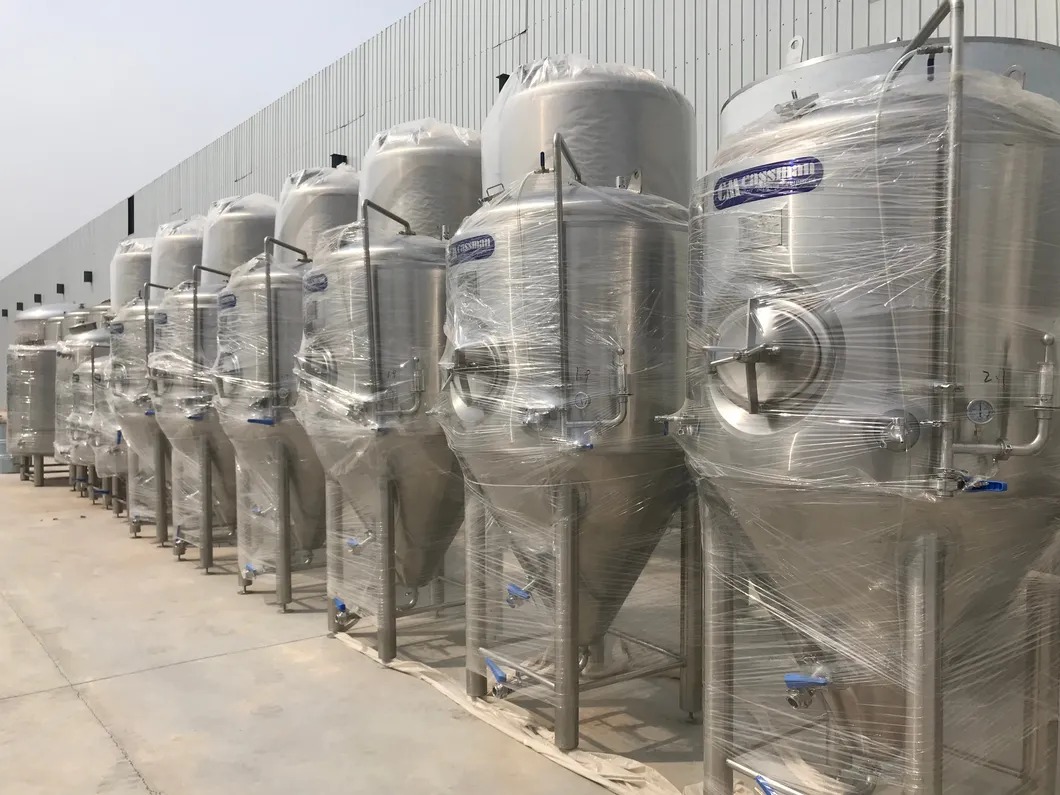
1. Introduction to Stainless Steel Conical Fermenters
A stainless steel conical fermenter is a Fermentation vessel constructed from food-grade stainless steel and designed with a conical bottom. This conical shape allows sediments and yeast to settle efficiently, simplifying yeast Harvesting and reducing contamination risk.
Key features include:
Conical bottom for sediment separation
Food-grade stainless steel construction for durability and hygiene
Ports and valves for sampling, draining, and monitoring
Integration with temperature control systems
Temperature regulation is a core aspect of the brewing process, and this guide provides a comprehensive overview of stainless steel conical fermenter temperature control explained.
2. Why Temperature Control is Critical in Fermentation
Fermentation is a biological process where yeast converts sugars into alcohol and carbon dioxide. Yeast performance is highly sensitive to temperature, and improper management can lead to:
A stainless steel conical fermenter allows precise temperature regulation, ensuring yeast remains active and produces consistent beer quality.
3. How Stainless Steel Supports Temperature Control
Stainless steel is ideal for fermenters due to its thermal conductivity and durability. The material supports:
Even temperature distribution
Resistance to corrosion from acidic fermentation environments
Easy integration of cooling jackets or external chillers
Long-term reliability under repeated heating and cooling cycles
Understanding stainless steel conical fermenter temperature control explained begins with recognizing how material properties enhance thermal management.
4. Conical Design and Temperature Efficiency
The conical shape does more than facilitate yeast separation—it also contributes to temperature control efficiency:
Improved fluid circulation ensures uniform cooling or heating
Reduces hotspots that may stress yeast
Supports rapid adjustment of fermentation conditions
Simplifies monitoring and sampling
Breweries using conical fermenters experience more consistent fermentation results due to better temperature control.
5. Cooling and Heating Methods
Modern stainless steel conical fermenters often include integrated cooling or heating systems to maintain precise temperatures.
Common methods:
Cooling Jackets: Stainless steel vessels with jackets for circulating glycol or water
Immersion Coils: Tubing inside the fermenter that transfers heat
External Chillers: Systems connected to jackets for automated temperature control
Heating Pads or Jackets: For lagers or specific fermentation styles requiring warmth
Effective temperature regulation ensures the yeast produces desired flavors and prevents stalled fermentation.
6. Monitoring Temperature in Conical Fermenters
Accurate monitoring is essential for temperature control. Modern systems include:
Digital temperature sensors
Remote monitoring capabilities
Integrated brewery management software
Alarms for temperature deviations
Monitoring ensures the stainless steel conical fermenter maintains optimal conditions, reducing the risk of off-flavors and contamination.
7. Impact on Yeast Performance
Yeast is highly sensitive to environmental conditions. Temperature control in a stainless steel conical fermenter impacts:
Fermentation speed and efficiency
Yeast viability for reuse
Production of clean flavors versus unwanted byproducts
Carbonation and alcohol content consistency
Understanding stainless steel conical fermenter temperature control explained highlights why precise regulation supports predictable fermentation.
8. Energy Efficiency Considerations
Temperature control systems in stainless steel conical fermenters also affect energy consumption. Advantages include:
Reduced energy loss due to insulated jackets
Efficient heat transfer for faster cooling or heating
Lower operating costs with automated temperature management
Sustainable brewing with reduced environmental impact
Efficient temperature control benefits both brewery operations and long-term sustainability.
9. Sanitation and Temperature Control
Maintaining hygiene is easier with stainless steel conical fermenters because:
Smooth, non-porous surfaces prevent microbial buildup
Temperature-controlled fermentation discourages bacterial growth
Cleaning-in-place (CIP) systems can operate without dismantling equipment
Contamination risks are minimized during temperature-sensitive stages
Temperature control and sanitation work hand-in-hand to ensure beer quality.
10. Common Challenges in Temperature Management
Even with stainless steel conical fermenters, breweries may face challenges such as:
Inconsistent cooling due to improper jacket circulation
Sensor calibration errors
Overheating or overcooling affecting yeast activity
Delayed response times in large vessels
Understanding stainless steel conical fermenter temperature control explained helps operators anticipate and mitigate these issues.
11. Best Practices for Temperature Control
To optimize fermentation:
Set target temperatures based on beer style
Regularly calibrate sensors and monitoring systems
Use insulation or jackets to reduce energy loss
Monitor yeast activity and adjust temperature gradually
Maintain cleaning and sanitation protocols to prevent contamination
Following these practices ensures consistent beer quality across batches.
12. Benefits of Proper Temperature Control
Proper temperature management in a stainless steel conical fermenter offers multiple benefits:
Enhanced yeast efficiency and health
Consistent flavor, aroma, and carbonation
Shorter fermentation cycles
Reduced risk of contamination
Efficient energy use and operational reliability
These advantages make temperature control one of the key factors in modern beer production.
13. Integration with Automated Systems
Automation improves precision and reduces labor requirements. Stainless steel conical fermenters often integrate with:
Digital brewing software
Automated chillers and heaters
Real-time fermentation tracking
Remote alerts for deviations
Automation ensures temperature control remains consistent, contributing to overall brewery efficiency.
14. Applications Across Brewery Sizes
Whether in small craft breweries or large commercial operations, stainless steel conical fermenters with temperature control are ideal:
Small-scale setups benefit from precise yeast management
Large-scale operations gain batch consistency
Both maintain quality across multiple fermentation cycles
Flexibility in temperature control allows diverse beer styles
Temperature regulation explains why stainless steel conical fermenters are widely adopted in modern brewing.
15. Conclusion
Understanding stainless steel conical fermenter temperature control explained is essential for any brewery seeking consistency, efficiency, and high-quality beer. Precise temperature management impacts yeast activity, flavor profiles, fermentation speed, sanitation, and energy efficiency.
Investing in a stainless steel conical fermenter with reliable temperature control ensures breweries can produce consistent, professional-quality beer batch after batch. This equipment remains a cornerstone of modern brewing, combining durability, hygiene, and operational precision to support successful fermentation.
 +86 29-87031531



 電話
電話
コメント
(0)