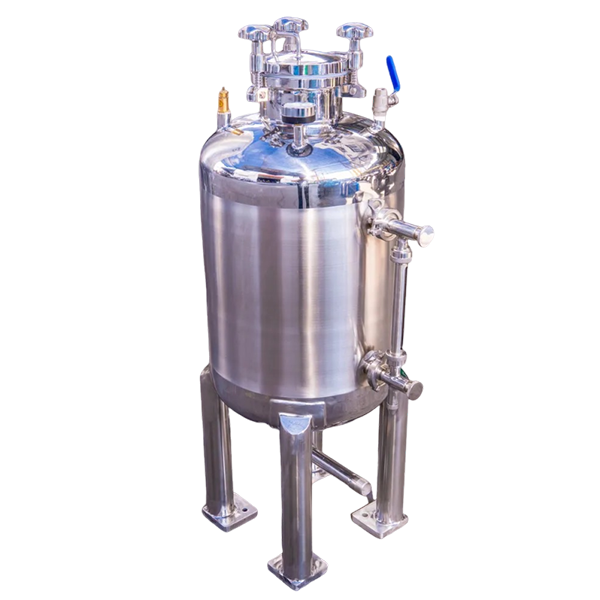
A Stainless steel fermentation vessel for modern beer production lines is one of the most important pieces of equipment in commercial brewing. It is designed to support controlled yeast activity, stable temperature management, hygienic processing, and consistent beer quality across large-scale production workflows. In today’s brewery environment, stainless steel fermentation vessels are widely used because they combine durability, sanitation, precision, and operational efficiency in a single system.
For breweries that focus on repeatable product quality, efficient production cycles, and compliance with food-grade manufacturing standards, the stainless steel fermentation vessel has become a core investment. Whether used in craft breweries, regional breweries, or high-volume beer production lines, this equipment plays a central role in transforming wort into finished beer through a carefully controlled fermentation process.
This guide provides SEO-friendly, industry-focused information about stainless steel fermentation vessels for modern beer production lines. It covers definitions, working principles, technical advantages, common specifications, structural features, application scenarios, and selection considerations. The content is written in English and structured for direct use on blog pages, category pages, product information pages, and industry landing pages.
What Is a Stainless Steel Fermentation Vessel?
A stainless steel fermentation vessel is a sealed or semi-sealed brewing tank used to ferment wort after boiling and cooling. During fermentation, yeast converts sugars into alcohol, carbon dioxide, and flavor compounds. The vessel provides a clean, sanitary, and controllable environment for this biological process. In modern beer production lines, the fermentation vessel is engineered for reliability, temperature control, pressure management, and easy cleaning.
Stainless steel is the preferred material because it resists corrosion, does not easily react with beer ingredients, and supports strict hygiene requirements. Compared with traditional materials, stainless steel fermentation vessels offer better durability, longer service life, and improved consistency in beer quality. They are designed to integrate smoothly with automated brewery systems, including cooling systems, CIP Cleaning Systems, glycol jackets, valves, sensors, and process control units.
Why Stainless Steel Is the Standard Material in Beer fermentation
In modern brewing, material selection directly affects product quality, maintenance cost, and production efficiency. Stainless steel has become the industry standard for fermentation vessels because it delivers a strong balance of sanitation, strength, and performance. A stainless steel fermentation vessel for modern beer production lines supports both traditional brewing principles and advanced industrial automation.
Material Feature |
Benefit in Beer Fermentation |
|---|
Corrosion resistance |
Reduces damage from moisture, acidity, cleaning chemicals, and beer byproducts |
Non-reactive surface |
Helps preserve beer flavor, aroma, and product purity |
Hygienic finish |
Supports sanitary brewing conditions and easier cleaning |
Mechanical strength |
Handles pressure, repeated use, and industrial operating conditions |
Long service life |
Reduces replacement frequency and supports long-term production planning |
Compatibility with automation |
Works well with sensors, jackets, valves, and digital control systems |
How the Fermentation Vessel Works in a Beer Production Line
In a modern beer production line, the fermentation vessel is placed after the brewhouse and wort cooling stage. Once wort is cooled to the correct fermentation temperature, it is transferred into the vessel and pitched with yeast. The yeast begins consuming fermentable sugars and produces alcohol and carbon dioxide. Depending on the beer style, fermentation may take several days to several weeks.
A stainless steel fermentation vessel is built to maintain a stable environment during this process. The tank often includes temperature control jackets, sanitary fittings, pressure relief components, sampling ports, sight glasses, and instrumentation for process monitoring. These features make it possible to control fermentation conditions with high precision, which is essential for consistent beer production.
In advanced beer production lines, the fermentation vessel can be connected to automated systems that monitor temperature, pressure, and tank volume. This helps brewers reduce manual labor, improve batch consistency, and increase production efficiency. The vessel may also be designed for isobaric fermentation, allowing controlled pressure fermentation for certain beer styles.
Key Functions of a Stainless Steel Fermentation Vessel
The stainless steel fermentation vessel performs several critical functions in beer production. It is more than just a storage tank. It is a controlled fermentation chamber designed to support biological conversion, flavor development, and hygienic processing.
- Fermentation control: Provides the ideal environment for yeast activity and sugar conversion.
- Temperature regulation: Helps maintain optimal fermentation temperatures through cooling jackets or internal systems.
- Pressure management: Allows safe fermentation under atmospheric or pressurized conditions.
- Sanitary containment: Protects beer from contamination by dust, bacteria, and oxygen exposure.
- Process consistency: Supports repeatable batch quality in modern beer production lines.
- Product maturation: In some systems, the vessel supports conditioning and maturation after primary fermentation.
Major Advantages of Stainless Steel Fermentation Vessels
The popularity of stainless steel fermentation vessels in modern breweries is based on practical performance. Brewers and plant operators need equipment that is efficient, hygienic, easy to clean, and suitable for repeated industrial use. Stainless steel delivers all of these advantages while supporting a professional brewing environment.
1. Excellent Hygiene and Sanitation
Beer production depends on clean processing conditions. Stainless steel has a smooth, non-porous surface that reduces the risk of contamination and microbial buildup. This makes cleaning more effective and helps maintain strict sanitary standards. For breweries, hygiene is critical because even minor contamination can negatively affect flavor, aroma, shelf stability, and safety.
2. Strong Corrosion Resistance
Fermentation vessels are exposed to moisture, acids, cleaning agents, carbon dioxide, and organic residues. Stainless steel resists corrosion better than many other materials, which helps preserve structural integrity and appearance over time. This is especially important in high-humidity brewery environments where long-term durability matters.
3. Better Flavor Protection
Because stainless steel is non-reactive, it does not impart unwanted flavors or odors into beer. This helps maintain the intended recipe profile and supports clean, stable taste results. Flavor protection is one of the main reasons stainless steel is the preferred material for commercial beer fermentation.
4. Temperature Control Efficiency
Modern beer fermentation requires precise thermal management. Stainless steel vessels are often equipped with cooling jackets, insulation, and control interfaces that help maintain the correct fermentation temperature. Stable temperature control improves yeast performance, reduces off-flavors, and supports repeatable results across batches.
5. High Structural Strength
Large production lines need fermentation equipment that can handle pressure, volume, transport, and industrial operation. Stainless steel offers high mechanical strength, making it suitable for both small-scale and high-capacity brewery systems. Its strength also supports long service life and safe operation.
6. Easy Cleaning and Maintenance
Stainless steel fermentation vessels are compatible with CIP systems and standard brewery cleaning protocols. Smooth internal surfaces, sanitary welds, and properly designed fittings make cleaning easier and reduce downtime. Efficient maintenance helps improve overall production line productivity.
7. Flexible Design Options
Stainless steel fermentation vessels can be customized for different brewery layouts, beer styles, and production capacities. They can be built in vertical or horizontal formats, with various cone angles, pressure ratings, and accessory configurations. This flexibility makes them suitable for diverse modern beer production lines.
Typical Structural Features of a Beer Fermentation Vessel
The design of a stainless steel fermentation vessel for modern beer production lines usually includes several standard components. These elements improve performance, safety, hygiene, and operational convenience. The exact configuration may vary depending on the brewery’s production scale and process requirements.
Component |
Purpose |
|---|
Tank body |
Main fermentation chamber for wort and yeast |
Conical bottom |
Supports yeast collection and sediment removal |
Cooling jacket |
Regulates fermentation temperature |
Insulation layer |
Improves thermal stability and energy efficiency |
Manway |
Provides access for inspection, maintenance, and cleaning |
Pressure relief valve |
Protects the vessel from overpressure |
Sample valve |
Allows liquid sampling during fermentation |
Temperature sensor port |
Supports real-time temperature monitoring |
Level indicator |
Helps monitor fill volume and process status |
Sanitary fittings |
Enable secure, hygienic connections to brewery piping |
CIP spray ball |
Assists automated cleaning of internal tank surfaces |
Discharge outlet |
Used for beer transfer, yeast removal, or sediment discharge |
Common Types of Fermentation Vessels in Beer Production
Different breweries use different fermentation vessel configurations depending on their process design, product portfolio, and facility layout. While the term “stainless steel fermentation vessel” is broad, several vessel types are commonly used in modern beer production lines.
A primary fermentation tank is used during the initial stage of fermentation. Yeast activity is strongest during this period, and the tank must maintain stable temperature and sanitation. In many breweries, the primary fermentation stage is where the most intense biological conversion occurs.
Unitank
A unitank is a versatile stainless steel vessel that can support both fermentation and conditioning. It is widely used in modern breweries because it reduces equipment count and improves space efficiency. Unitanks are especially popular in compact beer production lines and automated brewing systems.
Bright Beer Tank
Although not a fermentation vessel in the strictest sense, a bright beer tank is often used after fermentation for clarification, maturation, carbonation, and storage. It is part of the broader modern beer production line and often made from the same high-quality stainless steel.
Cylindroconical Fermentation Tank
This is one of the most common vessel shapes in commercial brewing. The cylindrical body and conical bottom help with yeast separation, sediment removal, and process control. Its design is highly efficient for large-scale and continuous production workflows.
Material Grades Commonly Used in Stainless Steel Fermentation Vessels
In commercial brewery applications, stainless steel fermentation vessels are often manufactured using food-grade stainless steel. The most common grades include materials that provide reliable corrosion resistance, cleanability, and compatibility with beverage production standards.
Stainless Steel Grade |
Common Use |
Key Benefit |
|---|
304 stainless steel |
General brewery tanks and food-grade processing |
Good corrosion resistance and cost efficiency |
316 stainless steel |
High-corrosion or high-spec brewery systems |
Improved resistance to aggressive cleaning agents and harsh environments |
304L / 316L stainless steel |
Sanitary welded fermentation equipment |
Better weld performance and reduced risk of corrosion at welded joints |
The choice of material grade depends on production environment, cleaning procedures, required lifespan, budget, and the brewery’s technical specifications. In many cases, 304 stainless steel is sufficient for standard beer production lines, while 316 stainless steel is selected for more demanding operating conditions.
Technical Specifications to Consider
When evaluating a stainless steel fermentation vessel for modern beer production lines, several technical parameters should be reviewed. These specifications influence performance, energy use, installation planning, and long-term operating efficiency.
Specification |
Typical Consideration |
|---|
Capacity |
Ranges from small pilot-scale tanks to large industrial volumes |
Material thickness |
Affects strength, insulation performance, and vessel durability |
Pressure rating |
Determines whether the tank supports atmospheric or pressurized fermentation |
Cooling method |
External glycol jacket, dimple jacket, or other thermal control system |
Insulation type |
Helps stabilize fermentation temperature and reduce energy loss |
Surface finish |
Influences sanitation, cleaning efficiency, and hygiene compliance |
Manway position |
Supports access for inspection and maintenance |
Automation compatibility |
Allows integration with sensors, controllers, and monitoring systems |
Drainage design |
Improves yeast removal, cleaning, and product recovery |
Footprint and height |
Must fit the brewery layout and available floor space |
Why Modern Beer Production Lines Depend on Fermentation Vessel Performance
In a modern beer production line, fermentation is one of the most sensitive stages in the entire process. If temperature, sanitation, or pressure conditions are not properly controlled, the final product may suffer from flavor defects, instability, or inconsistent alcohol content. That is why the stainless steel fermentation vessel is a critical system component rather than a simple tank.
Breweries depend on these vessels to deliver reliable batch performance. A well-designed fermentation vessel reduces process variation, improves throughput, and supports quality control. It also helps production teams optimize yeast management, reduce contamination risks, and maintain predictable turnaround times.
In large-scale beer production, even small improvements in fermentation efficiency can have a major impact on output, cost, and product consistency. As a result, breweries increasingly invest in stainless steel fermentation vessels with advanced process features and automation-ready interfaces.
Application Scenarios in the Beer Industry
Stainless steel fermentation vessels are used across a wide range of beer production environments. Their adaptability makes them suitable for both small and large breweries.
- Craft breweries: Used for batch flexibility, recipe experimentation, and premium beer styles.
- Commercial breweries: Used for consistent output, standardized product lines, and efficient scheduling.
- Regional breweries: Used to balance product variety with production scale.
- Industrial beer plants: Used in high-volume systems with automated temperature and process control.
- Pilot brewing systems: Used for testing recipes, yeast behavior, and fermentation parameters.
- Contract brewing facilities: Used to support multiple brands and production requirements.
Benefits for Brewery Operations
A stainless steel fermentation vessel for modern beer production lines offers operational benefits beyond the fermentation process itself. These advantages affect workforce efficiency, production planning, and equipment lifecycle cost.
Improved Batch Consistency
Stable fermentation conditions help reduce variation from one batch to another. This is essential for breweries that must maintain a consistent flavor profile, alcohol level, and carbonation performance across multiple production runs.
Lower Risk of Contamination
Sanitary design, clean surfaces, and effective cleaning access all contribute to lower contamination risk. This protects product quality and reduces the chance of batch loss or corrective processing.
Higher Production Efficiency
When fermentation vessels are well integrated into the brewery line, process flow becomes smoother. Automated temperature regulation, efficient drainage, and easy cleaning support shorter downtime and improved output planning.
Reduced Maintenance Burden
Stainless steel is easier to maintain than many alternative materials. Its durability and cleanability help lower routine maintenance demand and extend equipment service life.
Better Long-Term Investment Value
Although the initial cost of a stainless steel fermentation vessel may be higher than simpler containers, its long lifespan, strong performance, and low contamination risk make it a cost-effective solution over time.
Cleaning and Sanitation in Stainless Steel Fermentation Vessels
Cleaning is one of the most important aspects of brewery operation. A stainless steel fermentation vessel for modern beer production lines is typically designed for efficient cleaning through CIP (Clean-In-Place) systems or manual sanitation procedures. Proper cleaning helps maintain product quality and extends equipment life.
Key sanitation considerations include smooth internal surfaces, sanitary welds, minimal dead zones, drainable geometry, and access for inspection. The vessel should allow cleaning solutions to reach all internal areas effectively. Spray balls and other CIP components are often used to distribute cleaning fluid and remove yeast, protein residue, and beer stone.
Regular cleaning also helps preserve the stainless steel surface and prevent buildup that could affect flavor or hygiene. For breweries, good sanitation is not optional; it is a production requirement.
Energy Efficiency and Process Control
Modern beer production lines increasingly prioritize energy efficiency. Stainless steel fermentation vessels contribute to this goal by supporting accurate thermal control and process automation. Insulated tanks reduce heat loss, while cooling jackets allow targeted temperature adjustment instead of wasteful whole-room cooling.
Better process control also means fewer deviations and less rework. When fermentation temperature is managed correctly, yeast performs more predictably, and the brewer can achieve the desired flavor profile more reliably. This leads to better resource use and lower operational waste.
How to Select a Stainless Steel Fermentation Vessel
Choosing the right stainless steel fermentation vessel for modern beer production lines requires careful evaluation of production goals, technical needs, and facility conditions. The best vessel is not always the largest one; it is the one that fits the brewery’s process strategy.
- Define production capacity: Estimate current and future batch volume requirements.
- Check floor space: Ensure the tank dimensions match the available installation area.
- Review pressure requirements: Determine whether atmospheric or pressurized fermentation is needed.
- Assess temperature control needs: Confirm jacket type and cooling performance.
- Consider cleaning system compatibility: Make sure the vessel supports CIP or sanitation workflows.
- Evaluate material grade: Choose 304, 316, or another suitable food-grade stainless steel.
- Look at surface finish: Smooth sanitary finishes support hygiene and product quality.
- Plan for automation: Select instrumentation and control compatibility based on plant strategy.
- Think about future expansion: Choose equipment that can support production growth.
Typical Product Parameters Overview
The following table provides a general overview of common fermentation vessel parameters used in modern beer production lines. These values are indicative and may vary based on brewery scale, regional standards, and custom design.
Parameter |
General Range / Description |
|---|
Capacity |
From pilot-scale to large industrial volumes |
Material |
Food-grade stainless steel, commonly 304 or 316 |
Structure |
Vertical cylindrical tank with conical bottom is common |
Surface finish |
Sanitary polished interior, smooth welds |
Pressure design |
Atmospheric or pressure-rated depending on process needs |
Cooling system |
External jacket or dimple jacket for thermal control |
Insulation |
Optional or standard depending on efficiency requirements |
Cleaning |
Compatible with CIP systems and sanitary wash cycles |
Application |
Beer fermentation, conditioning, and process holding |
SEO Keyword Focus for Industry Pages
If this content is being used for SEO purposes, relevant keyword combinations can help search engines understand the topic more clearly. Common industry keywords related to this subject include stainless steel fermentation vessel, Beer Fermentation Tank, modern beer production line, commercial brewery tank, stainless steel beer tank, fermentation vessel for beer, fermentation tank for brewery, and beer production equipment.
These terms can be distributed naturally across headings, paragraphs, image alt text, metadata, and internal links. However, for best SEO results, keyword usage should remain readable and relevant. Search engines tend to favor comprehensive, user-focused content that explains the topic in depth rather than repetitive keyword stuffing.
Conclusion
A stainless steel fermentation vessel for modern beer production lines is essential for producing high-quality beer with consistency, efficiency, and hygiene. Its durable construction, non-reactive surface, temperature control capability, and compatibility with automation make it a core asset in commercial brewing systems. From small craft breweries to large industrial beer plants, stainless steel fermentation vessels support stable fermentation, better process control, and long-term operational value.
For businesses building or expanding a beer production line, understanding the design, function, specifications, and advantages of stainless steel fermentation vessels is a key step in making informed equipment decisions. By selecting the right vessel structure, material grade, and control features, breweries can improve output, protect product quality, and strengthen their competitive position in the market.
```
 +86 29-87031531





 電話
コメント
(0)