


Beer Fermentation Tank
A beer fermentation tank is a specialized vessel used in the brewing process to convert sweet wort into beer through the action of yeast. It is one of the most important pieces of equipment in a brewery, because fermentation is the stage where flavor, alcohol content, aroma, and carbonation begin to develop. These tanks are designed to provide a clean, stable, and controlled environment for yeast activity, ensuring consistent quality in the final product.Beer fermentation tanks are typically made from stainless steel, which offers excellent durability, corrosion resistance, and easy cleaning. Stainless steel is ideal for brewing because it does not react with beer or yeast and helps maintain hygienic conditions throughout the process. The interior surface is usually polished to a high standard so that residue does not remain after cleaning and sanitation. This is especially important in brewing, where even small amounts of contamination can affect the taste and safety of the beer.The structure of a fermentation tank is carefully designed to support temperature control. Most tanks include a cooling jacket or internal cooling system that allows brewers to regulate the temperature during fermentation. Yeast performance is highly sensitive to temperature, and different beer styles require different fermentation conditions. By keeping the temperature stable, the tank helps produce a clean and predictable fermentation result. This control is essential for lagers, ales, and specialty beers, each of which may need a specific temperature range.Fermentation tanks are often equipped with several functional components. These may include a pressure relief valve, sampling valve, manway, sight glass, and racking arm. The pressure relief valve protects the tank from excess pressure during fermentation. The sampling valve allows brewers to check the progress of the beer without opening the vessel. The manway provides access for inspection and cleaning, while the racking arm helps transfer finished beer out of the tank with minimal disturbance to the sediment.Some fermentation tanks are also designed as unitanks, meaning they can be used for both fermentation and conditioning. This makes them very practical for breweries that want to save space and improve efficiency. In larger breweries, fermentation tanks are often installed in rows and connected to automated systems for monitoring temperature, pressure, and flow. In smaller breweries, they may be operated more manually, but the basic purpose remains the same: to create the ideal environment for yeast to transform wort into beer.The shape of the tank is also important. Many tanks have a cylindrical body with a conical bottom. The cone allows yeast and solids to settle at the bottom, making it easier to remove them after fermentation. This design improves clarity and simplifies later processing steps. It also helps brewers collect yeast for reuse in future batches, which can reduce production costs.In modern brewing, beer fermentation tanks play a key role in maintaining product consistency and brewing efficiency. They support precise control over fermentation, help protect the beer from contamination, and make it possible to produce a wide variety of beer styles. Whether used in a small craft brewery or a large commercial facility, the fermentation tank remains an essential tool for making high-quality beer.
製品
カテゴリー:
-
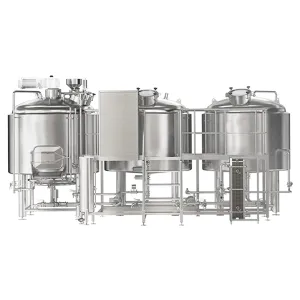
Beer Fermentation Tank
彼らの分類: Fermentation Equipmentビュー: 217番号:解放時間: 2026-06-06 14:00:01A Beer Fermentation Tank is an essential component in modern brewing systems, designed to provide optimal conditions for yeast activity and beer maturation. Manufactured from food-grade stainless steel, these tanks offer excellent temperature control, sanitary operation, and long service life, making them ideal for craft breweries and commercial production.
ニュース
カテゴリー:
-
[Blog]Stainless Steel Conical Fermenter for Modern Brewing Solutio...
2026-07-20 15:49:58
ケース
カテゴリー:
検索結果はありません!
ビデオ
カテゴリー:
検索結果はありません!
ダウンロード
カテゴリー:
検索結果はありません!
採用
カテゴリー:
検索結果はありません!
おすすめ商品
検索結果はありません!



 電話
電話