Benefits of Using Stainless steel fermenter for Craft Beer Quality
Craft beer brewing requires precision, control, and consistency. One of the most important factors in achieving high-quality beer is the fermentation process, and the right fermenter can make all the difference. The benefits of using Stainless steel fermenter for craft beer quality are numerous, ranging from hygiene and durability to temperature management and yeast optimization.
Stainless steel fermenters have become the standard in modern breweries because they combine robust construction, easy sanitation, and precise control. Whether for small-scale home brewing or commercial Craft beer production, understanding the benefits of using stainless steel fermenter for craft beer quality ensures brewers maximize efficiency and flavor consistency.
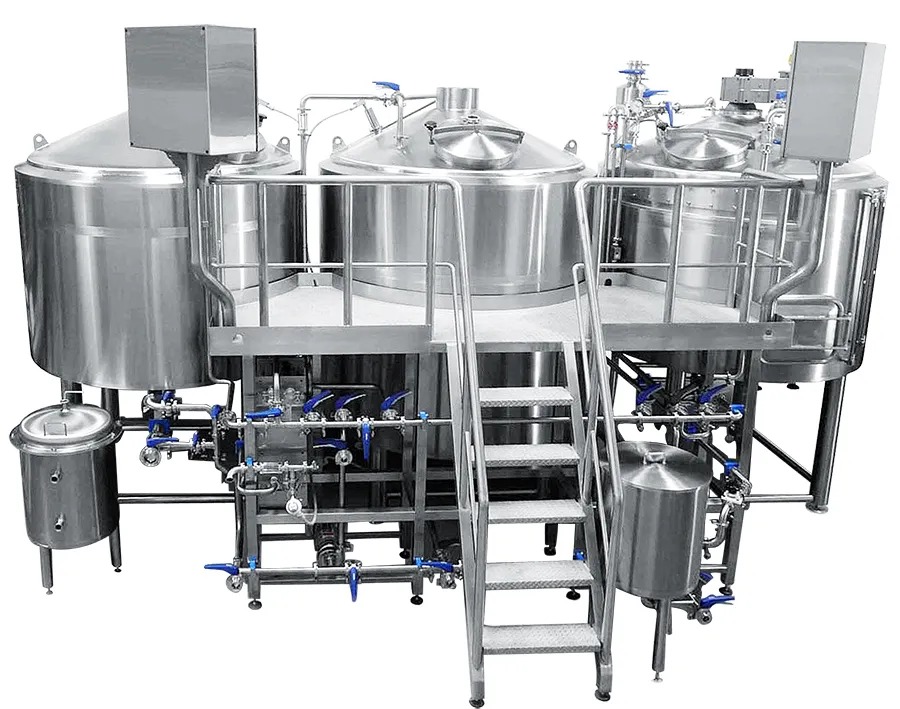
1. Introduction to Stainless Steel Fermenters
A stainless steel fermenter is a vessel designed for the controlled fermentation of beer. These fermenters are typically made from food-grade stainless steel, which provides corrosion resistance, durability, and a non-porous surface that prevents contamination.
Key Features:
Smooth stainless steel surfaces for easy cleaning
Conical or cylindrical designs for sediment separation
Integrated valves for sampling, draining, and yeast collection
Compatibility with temperature control systems
These features highlight why the benefits of using stainless steel fermenter for craft beer quality are widely recognized in the Brewing industry.
2. Hygiene and Sanitation Advantages
One of the most critical benefits of using stainless steel fermenter for craft beer quality is hygiene. Stainless steel is non-porous and resistant to bacterial growth, making cleaning and sanitation straightforward.
Hygiene Benefits:
Reduced risk of contamination
Compatibility with cleaning-in-place (CIP) systems
Smooth surfaces prevent microbial buildup
Easier sterilization compared to plastic or wooden fermenters
Maintaining a sanitary environment ensures that craft beer quality is preserved throughout fermentation.
3. Durability and Long-Term Reliability
Durability is another key reason to choose stainless steel fermenters. Unlike plastic or glass, stainless steel resists corrosion, scratches, and chemical reactions that may affect beer quality.
Durability Benefits:
Long-lasting construction reduces replacement costs
Resistant to acidic fermentation byproducts
Can withstand repeated heating and cooling cycles
Maintains structural integrity under pressure
The benefits of using stainless steel fermenter for craft beer quality include both operational reliability and long-term cost efficiency.
4. Temperature Control and Fermentation Consistency
Temperature is one of the most important factors in fermentation. Stainless steel fermenters are often equipped with cooling jackets or ports for temperature control, ensuring optimal yeast activity.
Temperature Control Advantages:
Maintains consistent fermentation conditions
Prevents off-flavors caused by temperature fluctuations
Supports a wide range of beer styles
Enhances yeast performance and activity
Consistent temperature management is crucial for producing craft beer with predictable quality.
5. Yeast Management and Harvesting
Effective yeast management is essential for consistent fermentation and flavor. Stainless steel fermenters, especially conical designs, allow yeast to settle efficiently for easy harvesting and reuse.
Yeast Management Benefits:
Simplifies collection and reuse of healthy yeast
Reduces contamination risk
Supports multiple fermentation cycles
Enhances flavor consistency across batches
The ability to manage yeast effectively is a major benefit of using stainless steel fermenter for craft beer quality.
6. Sediment Separation and Clarity
Conical stainless steel fermenters naturally separate sediment, trub, and unwanted solids from beer. This design improves clarity and reduces the risk of off-flavors.
Sediment Separation Advantages:
Clearer beer with consistent appearance
Easier racking and bottling
Reduces potential for contamination
Improves overall beer quality
Clarity is a visible indicator of high-quality craft beer, making sediment separation a crucial benefit.
7. Pressure Handling and Safety
Fermentation produces pressure from carbon dioxide. Stainless steel fermenters are designed to withstand this pressure safely.
Pressure Advantages:
Reinforced construction prevents deformation
Pressure relief valves ensure safe operation
Sealed lids maintain controlled fermentation
Supports carbonation management for different beer styles
Safety and pressure management contribute significantly to craft beer quality.
8. Operational Efficiency and Ease of Use
Stainless steel fermenters streamline brewing operations through integrated valves, ports, and compatible monitoring systems.
Operational Advantages:
Simplifies transferring and racking beer
Supports automated temperature and fermentation monitoring
Reduces labor requirements for cleaning and yeast handling
Enhances batch consistency and workflow efficiency
These factors highlight how benefits of using stainless steel fermenter for craft beer quality extend beyond flavor to operational performance.
9. Energy Efficiency and Sustainability
Modern breweries increasingly focus on energy efficiency and sustainability. Stainless steel fermenters support both through design and material properties.
Energy and Sustainability Benefits:
Insulated jackets reduce energy loss
Long-lasting materials minimize replacement frequency
Supports controlled fermentation to reduce waste
Efficient temperature regulation lowers energy consumption
Sustainable brewing practices are made easier with stainless steel fermenters.
10. Scalability for Small and Large Breweries
Whether producing craft beer on a small or large scale, stainless steel fermenters scale easily.
Scalability Advantages:
Available in various sizes to accommodate different batch volumes
Supports modular setups for expanding breweries
Maintains consistent performance across multiple vessels
Simplifies batch standardization for consistent beer quality
Scalability ensures breweries can grow without compromising beer quality.
11. Flavor Consistency and Quality Control
Craft beer quality is judged by flavor, aroma, and carbonation. Stainless steel fermenters ensure consistent fermentation conditions.
Flavor and Quality Advantages:
Maintains yeast performance and metabolism
Prevents off-flavors caused by temperature or contamination
Supports repeatable brewing for consistent taste
Enables reliable quality control for commercial production
Consistency is a primary reason brewers choose stainless steel fermenters.
Even with stainless steel fermenters, certain mistakes can reduce craft beer quality:
Overfilling or underfilling vessels
Neglecting proper temperature monitoring
Poor sanitation practices
Mismanaging yeast harvesting
Using incompatible cleaning solutions
Understanding benefits of using stainless steel fermenter for craft beer quality includes knowing how to avoid these errors.
13. Best Practices for Maximum Benefits
To fully leverage stainless steel fermenters:
Calibrate temperature control systems regularly
Maintain strict sanitation routines
Use conical designs for sediment separation
Monitor yeast activity for multiple cycles
Choose appropriate vessel size for batch volume
Following best practices maximizes the advantages of stainless steel fermenters.
14. Applications Across Beer Styles
Stainless steel fermenters are versatile, supporting multiple beer styles including ales, lagers, stouts, and sours. Temperature control and yeast management ensure each style maintains its unique flavor profile. The benefits extend from home brewers to professional craft breweries, ensuring quality across diverse production scenarios.
15. Conclusion
The benefits of using stainless steel fermenter for craft beer quality are clear: hygiene, durability, temperature control, yeast management, sediment separation, operational efficiency, energy savings, and scalability all contribute to superior beer production. Breweries and home brewers seeking consistency, flavor, and reliability rely on stainless steel fermenters as the foundation for craft beer excellence.
Investing in a stainless steel fermenter ensures breweries produce high-quality, professional craft beer consistently while optimizing operations and efficiency.
 +86 29-87031531



 電話
電話
コメント
(0)