Choosing the right Fermentation vessel for Craft beer production
Craft beer production is an art and a science, relying on precise fermentation processes to produce high-quality, flavorful beer. One of the most critical decisions in a brewery is choosing the right fermentation vessel. The fermentation vessel directly impacts yeast performance, beer clarity, flavor development, and overall production efficiency. Selecting the ideal vessel ensures consistent, professional-quality beer while optimizing brewery operations.
This comprehensive guide explores the factors breweries should consider when choosing a fermentation vessel for craft beer production, including vessel types, materials, design, temperature control, maintenance, and operational strategies.
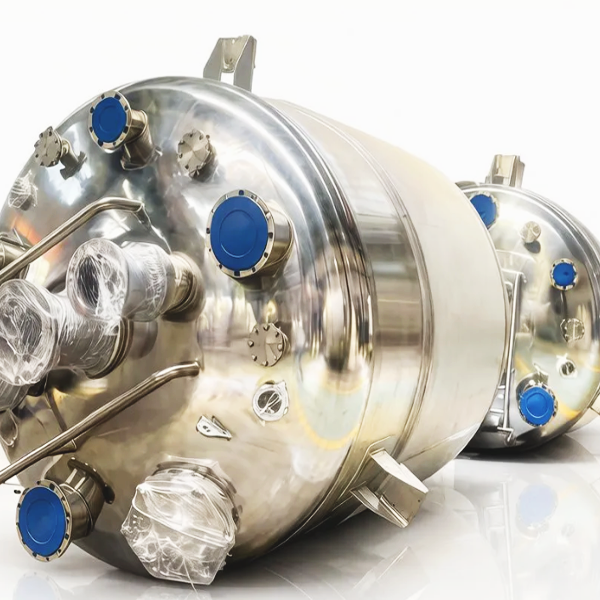
1. Importance of Choosing the Right Fermentation Vessel
The fermentation vessel is where wort transforms into beer through yeast activity. Its design, material, and features significantly influence beer quality and consistency. In craft beer production, the right vessel allows:
Stable fermentation conditions
Efficient yeast management
Consistent flavor and aroma
Reduced contamination risk
Optimized production workflow
Choosing the correct fermentation vessel supports sustainable brewery operations, minimizes production errors, and improves overall beer quality.
2. Common Types of Fermentation Vessels
Craft breweries have several fermentation vessel options. Each type offers specific advantages for different beer styles and production volumes.
Cylindrical conical fermenters, often called conical tanks, feature a cylindrical body with a conical bottom. This design facilitates yeast and sediment collection, improves clarity, and simplifies Harvesting. Cylindrical conical fermenters are ideal for craft beer production because they provide precise fermentation control and operational efficiency.
2.2 Open Fermentation Vessels
Open fermentation vessels are traditional tanks without a sealed lid, allowing brewers to observe fermentation visually. Open vessels promote yeast activity and create unique flavors in certain beer styles. However, maintaining hygiene and preventing contamination are critical considerations for open fermenters.
2.3 Unitanks
Unitanks combine fermentation and maturation in a single vessel. These tanks reduce handling, save space, and streamline craft beer production processes. Unitanks are particularly suitable for breweries seeking efficient workflow while maintaining quality control over fermentation and maturation.
2.4 Horizontal Fermenters
Horizontal fermenters provide a larger surface area for fermentation, promoting uniform yeast activity and flavor development. They are useful for specialty craft beers that require slow, controlled fermentation processes. Horizontal fermenters allow careful monitoring and consistent results across batches.
3. Material Selection for Fermentation Vessels
The material of a fermentation vessel impacts beer quality, hygiene, and durability. Common materials include:
Stainless steel is the preferred material for craft Beer fermentation. It is durable, corrosion-resistant, and non-reactive with wort and beer. Stainless steel vessels are easy to clean, support temperature control, and maintain hygiene standards. They are suitable for all beer styles and production scales.
3.2 Food-Grade Plastic
Food-grade plastic fermenters are lightweight and cost-effective for small-scale craft beer production. While plastic vessels can be sufficient for pilot batches, they require careful sanitation and may not provide precise temperature control compared to stainless steel.
3.3 Wood
Wooden vessels, such as barrels, are used for specialty beers requiring specific flavors, such as sour or barrel-aged beers. Wood imparts unique aromas but requires meticulous cleaning and monitoring to prevent contamination. Wooden fermenters are less common in modern craft beer production but offer artisanal qualities.
4. Factors to Consider When Choosing a Fermentation Vessel
When selecting a fermentation vessel for craft beer production, breweries should evaluate several key factors:
4.1 Production Volume
The vessel must match the brewery’s production scale. Small batch vessels are ideal for experimental or seasonal beers, while large-capacity tanks are necessary for commercial production.
4.2 Beer Style
Different beer styles benefit from specific vessel designs. Lagers often require temperature-controlled Stainless steel fermenters, while specialty ales may benefit from open fermentation or wooden vessels.
4.3 Temperature Control
Temperature stability is critical for consistent fermentation. Stainless steel vessels with jacketed cooling systems or internal coils help maintain optimal yeast activity and prevent off-flavors.
4.4 Ease of Cleaning
A fermenter should be easy to clean and sanitize to reduce contamination risks. Stainless steel vessels with smooth surfaces and access ports simplify cleaning processes.
4.5 Pressure Requirements
Some beers require fermentation under pressure to retain carbonation. Pressurized fermentation vessels support consistent beer quality and reduce handling after fermentation.
4.6 Space and Layout
Consider brewery floor space and vessel placement. Vertical cylindrical vessels save space, while horizontal vessels may require more floor area but offer additional fermentation control.
5. Temperature and Fermentation Control
Temperature is a critical variable in craft beer production. Fermentation vessels with precise temperature control ensure yeast performs optimally, producing consistent alcohol levels, flavor, and aroma. Modern vessels may include:
Jacketed cooling or heating systems
Digital temperature sensors
Automated monitoring and control systems
Maintaining temperature stability reduces fermentation errors, improves beer clarity, and enhances overall quality.
6. Operational Best Practices
To maximize fermentation performance and beer quality, breweries should follow operational best practices:
Sanitation: Clean and sanitize vessels before each batch.
Yeast Management: Monitor yeast health and activity for consistent fermentation.
Sampling: Take regular samples to track gravity, pH, and flavor development.
Pressure Control: Use valves to regulate pressure and prevent over-carbonation.
Batch Tracking: Document fermentation parameters to replicate successful batches.
Implementing these practices ensures consistent, high-quality craft beer production.
7. Maintenance of Fermentation Vessels
Regular maintenance extends the life of fermentation vessels and ensures consistent beer quality:
Cleaning-in-Place (CIP) Systems: Allow thorough cleaning without disassembly.
Inspections: Check valves, gaskets, and welds for wear or leaks.
Polishing: Smooth stainless steel surfaces prevent bacterial growth.
Sanitization: Use approved sanitizers before each fermentation cycle.
Proper maintenance reduces downtime, contamination risk, and operational costs.
8. Advantages of Modern Fermentation Vessels
Modern fermentation vessels provide multiple advantages over traditional options:
Enhanced sanitation and hygiene
Consistent fermentation results
Improved production efficiency
Better temperature and pressure control
Scalable for different production volumes
These advantages make modern vessels essential for breweries seeking consistent, high-quality craft beer.
9. Sustainability Considerations
Choosing the right fermentation vessel also supports sustainable craft beer production:
Durable Construction: Reduces frequent replacements.
Energy Efficiency: Insulation and temperature control reduce energy consumption.
Water Conservation: CIP systems recycle water and cleaning solutions.
Waste Reduction: Reusable yeast and optimized sediment management minimize waste.
Sustainable practices improve both environmental impact and operational efficiency.
10. Conclusion
Choosing the right fermentation vessel is a critical decision for craft beer production. The vessel’s design, material, temperature control, and operational features directly influence beer quality, fermentation consistency, and production efficiency. Stainless steel vessels, conical tanks, and unitanks provide breweries with the tools to produce professional, high-quality beer at scale.
By considering production volume, beer style, temperature control, and operational best practices, breweries can ensure that their fermentation vessels support consistent, reliable, and efficient craft beer production.
 +86 29-87031531



 電話
電話
コメント
(0)