How Stainless steel Conical fermenter Improves Beer fermentation Quality
In modern brewing, the quality of beer depends heavily on precise fermentation processes. One of the most effective tools for achieving consistent, high-quality beer is the Stainless steel conical fermenter. This specialized tank is designed to optimize yeast management, control fermentation conditions, and ensure hygienic operations. Breweries worldwide rely on stainless steel conical fermenters to enhance the flavor, clarity, and overall quality of beer.
This guide explores the benefits, features, operational principles, and best practices of stainless steel conical fermenters, helping breweries understand how to maximize beer fermentation quality.
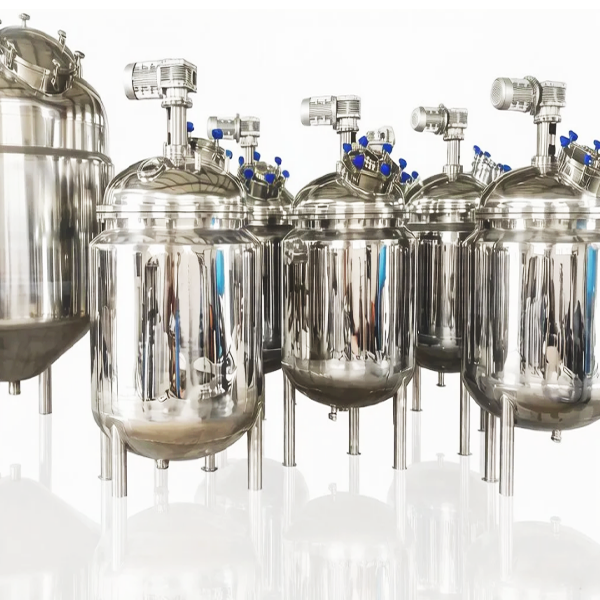
1. Introduction to Stainless Steel Conical Fermenters
A stainless steel conical fermenter is a fermentation tank that combines the durability of stainless steel with a conical design at the bottom. The conical shape allows yeast and sediment to settle efficiently, while the stainless steel construction ensures hygienic, non-reactive, and corrosion-resistant operations.
Unlike traditional Fermentation vessels, stainless steel conical fermenters provide breweries with control over every aspect of the fermentation process, including temperature, pressure, and yeast management. This leads to improved beer quality and consistent production outcomes.
2. Benefits of Stainless Steel Conical Fermenters
Modern breweries choose stainless steel conical fermenters due to several key advantages:
2.1 Hygienic and Easy to Clean
The smooth stainless steel surfaces prevent microbial growth and allow thorough cleaning and sanitation. This ensures a sterile environment during fermentation, reducing the risk of contamination and off-flavors.
2.2 Efficient Yeast Management
The conical bottom allows yeast to settle and be easily collected or removed. This facilitates reusing yeast in multiple batches, enhancing fermentation consistency and reducing waste.
2.3 Consistent Fermentation Conditions
Stainless steel conical fermenters often include temperature-controlled jackets or coils. Maintaining precise temperatures ensures stable fermentation, optimizing yeast activity, flavor development, and alcohol content.
2.4 Pressure Resistance
These fermenters can withstand internal pressure, making them ideal for fermentations that produce carbon dioxide or require pressurized conditions, such as lagers and specialty beers.
2.5 Scalability and Flexibility
Stainless steel conical fermenters are available in a wide range of sizes, from small pilot tanks to large commercial units, allowing breweries to scale operations efficiently while maintaining high-quality fermentation standards.
3. How Conical Design Improves Beer Fermentation
The conical shape at the bottom of the tank is one of the most important features affecting beer fermentation quality:
Sediment Separation: Trub, proteins, and spent yeast settle at the bottom, leaving the beer clear and stable.
Yeast Harvesting: Brewers can easily collect yeast from the conical section for reuse.
Optimized Fermentation: By concentrating yeast and sediment away from the main beer volume, fermentation is cleaner and more controlled.
The design allows breweries to produce beer with consistent taste, clarity, and aroma, enhancing overall fermentation quality.
4. Temperature Control for Optimal Fermentation
Temperature is critical in beer fermentation. Stainless steel conical fermenters often include:
Jacketed Cooling Systems: Circulate glycol or chilled water around the tank to maintain precise fermentation temperatures.
Internal Probes and Sensors: Monitor internal beer temperature to prevent fluctuations that can stress yeast or create off-flavors.
Precise temperature control ensures that yeast performs optimally, producing consistent alcohol levels, carbonation, and flavor profiles.
5. Operational Best Practices
To maximize beer fermentation quality with stainless steel conical fermenters, breweries should follow these operational practices:
Sanitize Before Use: Ensure tanks, valves, and fittings are thoroughly cleaned and sanitized before each batch.
Monitor Yeast Health: Track yeast activity and nutrient levels to maintain fermentation efficiency.
Control Fermentation Pressure: Use pressure relief valves to prevent over-carbonation or tank damage.
Regular Sampling: Monitor beer parameters such as pH, gravity, and alcohol content to adjust fermentation conditions.
Harvest Yeast Efficiently: Collect settled yeast from the conical bottom to maintain consistent fermentation in future batches.
These steps reduce the risk of contamination, maintain consistency, and improve overall beer quality.
6. Maintenance and Cleaning
Regular maintenance ensures long-term performance of stainless steel conical fermenters:
Cleaning-in-Place (CIP) Systems: Automated cleaning systems allow thorough washing without disassembly.
Sanitization: Use approved sanitizers before each fermentation cycle.
Inspection: Check gaskets, valves, and welds for wear or leaks.
Polishing: Smooth stainless steel surfaces periodically to prevent pitting and maintain hygienic conditions.
Proper maintenance guarantees that the fermenter continues to provide high-quality beer production over its service life.
7. Integrating Fermenters into Modern Breweries
Modern breweries often integrate stainless steel conical fermenters into a broader production system:
Connection to Mash and Wort Tanks: Ensure seamless transfer of wort into the fermenter.
Temperature Control Integration: Connect to central glycol or cooling systems for precise temperature management.
Automated Monitoring: Use digital sensors and software to track fermentation parameters in real time.
Workflow Optimization: Position fermenters to maximize space efficiency and ease of cleaning.
Integration enhances brewery efficiency, reduces labor requirements, and maintains fermentation consistency.
8. Common Challenges and Solutions
Even with stainless steel conical fermenters, breweries may face fermentation challenges:
Foaming and Krausen Overflow: Adjust fermentation pressure and wort aeration.
Temperature Fluctuations: Ensure cooling systems are calibrated and insulated.
Sediment Build-Up: Regularly remove yeast and trub from the conical section.
Contamination: Maintain strict sanitation and airtight seals throughout fermentation.
Addressing these challenges ensures consistent beer quality and reduces the risk of batch failure.
9. Advantages Over Traditional Fermentation Tanks
Compared to wooden or open fermentation vessels, stainless steel conical fermenters offer:
Enhanced hygiene and sanitation
Better temperature and pressure control
Consistent and repeatable fermentation outcomes
Efficient yeast management and sediment separation
Longer service life and durability
These advantages make stainless steel conical fermenters the preferred choice for modern breweries seeking high-quality production.
10. Sustainability Considerations
Stainless steel conical fermenters contribute to sustainable brewing:
Durable Construction: Long-lasting tanks reduce the need for frequent replacements.
Energy Efficiency: Insulation and precise temperature control reduce energy consumption.
Water Savings: CIP systems recycle water and cleaning solutions.
Waste Reduction: Yeast harvesting and sediment management reduce organic waste.
Breweries can improve both operational efficiency and environmental impact by choosing Stainless steel fermenters.
11. Conclusion
Stainless steel conical fermenters are a cornerstone of modern brewery operations. Their conical design, durable construction, temperature control, and hygienic features significantly improve beer fermentation quality. By understanding operational best practices, maintenance, and integration strategies, breweries can consistently produce high-quality beer while optimizing efficiency and sustainability.
Investing in high-quality stainless steel conical fermenters ensures professional results, consistent flavor, and long-term operational success for breweries of any size.
 +86 29-87031531



 電話
電話
コメント
(0)