Why Stainless steel Fermentation vessel Is Essential for Commercial Brewing
In modern brewing, the fermentation process is the heart of beer production. The vessel used for fermentation plays a decisive role in the quality, consistency, and efficiency of beer production. Among available options, the Stainless steel fermentation vessel has become the industry standard for commercial brewing.
This article explains why stainless steel fermentation vessels are essential for commercial brewing, covering design, material advantages, hygiene, operational efficiency, and beer quality. Breweries looking to maintain competitive production standards cannot overlook the importance of this critical equipment.
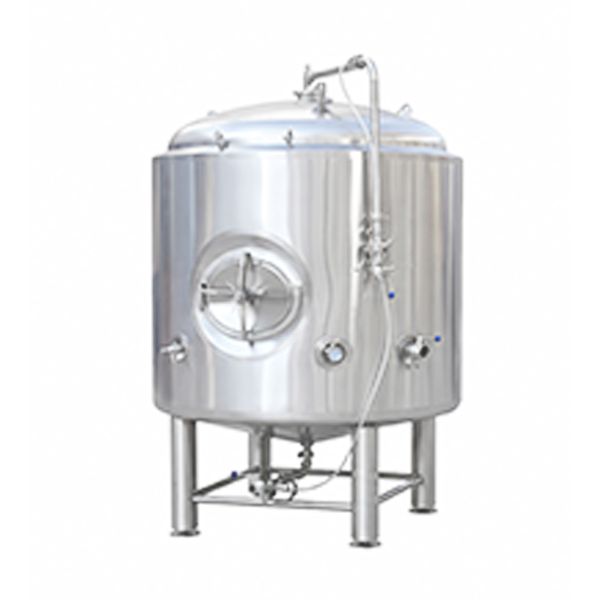
1. Introduction to Stainless Steel Fermentation Vessels
A stainless steel fermentation vessel is designed to provide a controlled environment for yeast activity during fermentation. Yeast converts sugars into alcohol and carbon dioxide, creating beer. The fermentation vessel ensures that this biochemical process occurs consistently and efficiently.
For commercial brewing, reliability and repeatability are key. The choice of a stainless steel fermentation vessel ensures:
Consistent beer flavor and quality
Efficient yeast management
Reduced contamination risk
Operational efficiency and scalability
Understanding why stainless steel fermentation vessels are essential is the first step for any brewery seeking long-term success.
2. Advantages of Stainless Steel Material
The stainless steel fermentation vessel owes its popularity in commercial brewing to the material itself. Stainless steel provides unmatched durability, hygiene, and resistance to corrosion.
Material Benefits Include:
Durability: Stainless steel withstands years of heavy use and cleaning without degrading.
Corrosion Resistance: Resists acidic wort and other chemical residues during fermentation.
Non-Reactive Surface: Does not affect beer flavor or aroma.
Ease of Cleaning: Smooth, non-porous surfaces are ideal for rigorous sanitation.
Breweries rely on these material advantages to maintain high-quality beer and minimize downtime caused by equipment failure or contamination.
3. Hygiene and Sanitation
Hygiene is a critical factor in commercial brewing. A stainless steel fermentation vessel is essential because it offers a hygienic surface that prevents microbial contamination.
Key Sanitation Benefits:
Smooth, non-porous surfaces prevent bacterial and mold growth
Compatible with cleaning-in-place (CIP) systems for automated cleaning
Reduces labor and cleaning time
Ensures consistent fermentation quality
Maintaining hygiene in a commercial brewery is crucial, and the stainless steel fermentation vessel is the standard choice to achieve reliable, contamination-free beer production.
4. Temperature and Fermentation Control
Precise temperature control is critical to yeast activity and overall fermentation quality. Stainless steel fermentation vessels allow breweries to manage fermentation conditions accurately.
Temperature Control Benefits:
Stainless steel vessels often include cooling jackets or internal coils
Maintain optimal fermentation temperature ranges
Reduce off-flavors and improve alcohol content control
Support both ale and lager fermentation processes
Controlled fermentation contributes to consistent beer quality and helps breweries meet commercial standards efficiently.
5. Pressure Handling and Carbonation
Commercial brewing often requires pressurized fermentation for carbonation and specific beer styles. Stainless steel fermentation vessels are designed to handle internal pressure safely.
Benefits include:
Controlled carbonation during fermentation
Reduced oxygen exposure to avoid off-flavors
Ability to produce high-quality lagers, stouts, and specialty beers
Safer handling during production and transfer processes
This makes stainless steel fermentation vessels essential for breweries that require pressurized fermentation.
6. Yeast Management
Effective yeast management is vital in commercial brewing. Stainless steel fermentation vessels facilitate yeast Harvesting and reuse, improving both cost efficiency and fermentation consistency.
Benefits Include:
Easy collection of yeast from the bottom of conical vessels
Supports multiple batch fermentation cycles
Reduces waste and improves productivity
Ensures yeast health and performance
Breweries that adopt stainless steel fermentation vessels gain a significant advantage in both operational efficiency and beer quality.
7. Operational Efficiency
A stainless steel fermentation vessel improves operational efficiency in commercial breweries. The design allows for streamlined production processes and reduced labor requirements.
Operational advantages include:
Faster batch turnover due to efficient yeast separation and cleaning
Integration with automated monitoring systems
Reduced downtime between batches
Simplified inventory and batch management
These factors make stainless steel fermentation vessels essential for breweries aiming for high-volume, consistent production.
8. Beer Quality and Consistency
The quality and consistency of beer are directly influenced by the fermentation vessel. Stainless steel fermentation vessels help breweries maintain uniform flavor profiles and reliable batch-to-batch performance.
Key Benefits to Beer Quality:
Minimizes risk of contamination
Provides stable fermentation conditions
Supports controlled yeast activity
Preserves desired aroma, taste, and carbonation
Commercial breweries rely on stainless steel fermentation vessels to produce beer that meets consumer expectations and industry standards.
9. Durability and Long-Term Investment
Investing in stainless steel fermentation vessels is a long-term decision for commercial breweries. While the initial cost is higher than alternative materials, the durability and longevity of stainless steel justify the investment.
Durability Advantages:
Resistant to corrosion and wear
Supports repeated cleaning cycles without damage
Maintains structural integrity over years of use
Reduces replacement and maintenance costs
This long-term value makes stainless steel fermentation vessels an essential investment for any commercial brewery.
10. Scalability for Commercial Brewing
Modern breweries need equipment that can scale with production demands. Stainless steel fermentation vessels offer flexibility in size and configuration to meet growing production requirements.
Scalability Benefits:
Available in multiple volume capacities
Supports modular brewery setups
Ensures consistent performance across all vessel sizes
Enables easy expansion of production without compromising beer quality
Scalable design allows breweries to grow operations while maintaining consistent brewing standards.
11. Energy Efficiency and Sustainability
Sustainability is increasingly important in commercial brewing. Stainless steel fermentation vessels contribute to energy efficiency and environmentally responsible operations.
Benefits Include:
Long-lasting material reduces waste from frequent replacement
Efficient cooling and heating systems reduce energy consumption
Supports yeast reuse, reducing production waste
Compatible with automated cleaning systems that conserve water
The sustainable benefits of stainless steel fermentation vessels make them ideal for modern, environmentally conscious breweries.
12. Comparison with Alternative Vessels
Plastic and glass fermentation vessels may be suitable for small-scale or experimental brewing, but they lack the durability, hygiene, and operational efficiency of stainless steel.
Advantages of Stainless Steel Over Alternatives:
| Feature | Stainless Steel | Plastic/Glass |
|---|
| Durability | High, decades | Low, few years |
| Hygiene | Excellent | Moderate |
| Temperature Control | Precise | Limited |
| Pressure Handling | Yes | Limited |
| Operational Efficiency | High | Low |
These advantages clearly show why stainless steel fermentation vessels are essential for commercial brewing.
13. Conclusion
A stainless steel fermentation vessel is essential for commercial brewing due to its combination of durability, hygiene, fermentation control, operational efficiency, and scalability. Breweries that adopt stainless steel vessels benefit from improved beer quality, consistent production, and long-term operational savings.
In commercial brewing, the fermentation vessel is more than equipment—it is a critical component of product quality, efficiency, and success. Stainless steel fermentation vessels provide breweries with the control, reliability, and sustainability required to produce high-quality beer consistently.
 +86 29-87031531



 電話
電話
コメント
(0)