How Fermentation vessel Design Impacts Final Beer Flavor Profile
The design of a fermentation vessel plays a crucial role in the final outcome of beer, affecting aroma, taste, clarity, and overall quality. Understanding how fermentation vessel design impacts final beer flavor profile is essential for brewers seeking consistency, efficiency, and superior craft beer quality.
Every detail of a fermentation vessel, from material to shape, influences yeast behavior, temperature stability, and sedimentation. This article explores the factors behind vessel design and explains why the right fermenter is key to achieving the best beer flavor.
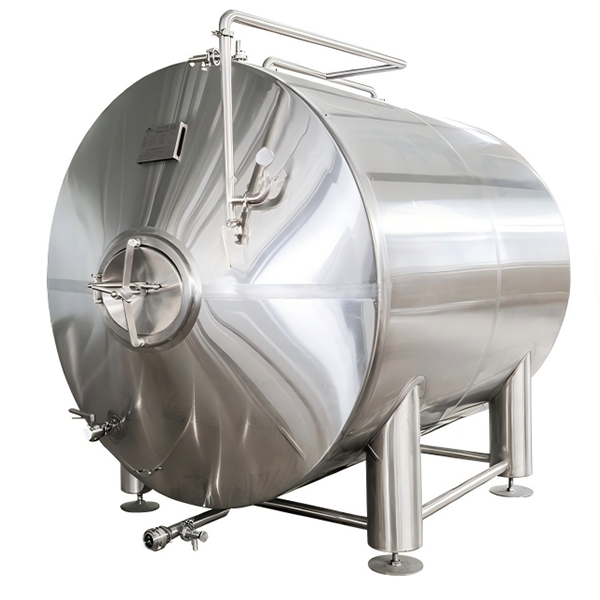
1. Introduction to Fermentation Vessel Design
A fermentation vessel is the container where yeast transforms sugars into alcohol and carbon dioxide. While all vessels serve this primary function, differences in design directly impact final beer flavor profile.
Key design considerations include:
Material (Stainless steel, plastic, or wood)
Shape (cylindrical, conical, or round)
Volume and scalability
Temperature control features
Understanding how fermentation vessel design impacts final beer flavor profile helps brewers select the right vessel for their brewing process.
2. Material Matters
The material of a fermentation vessel influences flavor, hygiene, and fermentation efficiency.
Stainless Steel
Non-porous, easy to clean
Resists corrosion and off-flavor contamination
Compatible with temperature control systems
Enhances yeast health and flavor consistency
Plastic
Lightweight and affordable
Can harbor scratches that trap microbes
Limited temperature stability may affect flavor
Wood
Adds subtle flavor complexity
Requires careful sanitation
Absorbs some yeast and sediment, potentially impacting consistency
Material selection is a primary factor in how fermentation vessel design impacts final beer flavor profile.
3. Vessel Shape and Yeast Performance
The shape of a fermentation vessel affects yeast sedimentation, oxygen exposure, and fluid dynamics.
Conical Vessels
Allow yeast to settle at the bottom
Simplify yeast Harvesting
Reduce contamination risks
Contribute to a cleaner, more consistent final beer flavor profile
Cylindrical or Round Vessels
Adequate for smaller batches
May require additional equipment for yeast separation
Can lead to uneven fermentation if temperature control is poor
Vessel shape directly influences how fermentation vessel design impacts final beer flavor profile, especially regarding clarity and yeast management.
4. Temperature Control and Flavor Consistency
Temperature is one of the most critical elements in fermentation. Even minor fluctuations can cause off-flavors or inconsistent carbonation.
Temperature Control Features
Cooling jackets or glycol systems
Digital sensors and thermostats
Integration with automated monitoring software
Stable temperature ensures yeast remains active and produces desired flavor compounds, demonstrating a major aspect of how fermentation vessel design impacts final beer flavor profile.
5. Oxygen Exposure and Beer Aroma
Fermentation vessel design affects oxygen exposure, which in turn impacts aroma and flavor. Excess oxygen can lead to stale or off-flavors, while controlled exposure enhances yeast performance.
Sealed vessels minimize oxygen contact
Valves and airlocks prevent contamination
Proper design balances CO₂ release with oxygen limitation
Careful vessel design is critical in managing aroma and supporting a clean final beer flavor profile.
6. Sediment Management and Clarity
Sediment, or trub, consists of dead yeast cells and proteins. How a vessel handles sediment affects beer clarity and taste.
Conical bottoms allow sediment to collect at the base
Cylindrical vessels may require additional filtering
Proper sediment separation prevents bitterness and off-flavors
Sediment management is a clear example of how fermentation vessel design impacts final beer flavor profile.
7. Pressure and Carbonation Control
Fermentation produces carbon dioxide, which affects beer carbonation and mouthfeel. Vessel design must handle pressure safely and consistently:
Reinforced stainless steel vessels maintain structural integrity
Pressure relief valves ensure safety and consistent carbonation
Proper design supports controlled CO₂ levels
Managing pressure ensures a final beer flavor profile that matches intended style and carbonation level.
8. Scaling and Batch Consistency
The size and scalability of a fermentation vessel also impact flavor consistency across multiple batches:
Larger vessels require careful temperature and yeast management
Smaller vessels allow more hands-on control
Consistent vessel design ensures predictable final beer flavor profile regardless of batch size
Scaling considerations highlight another way how fermentation vessel design impacts final beer flavor profile.
9. Yeast Harvesting and Reuse
Yeast is an active ingredient that influences flavor and aroma. Vessel design affects yeast recovery:
Conical vessels allow easy yeast collection
Healthier yeast improves flavor in subsequent batches
Proper design reduces contamination and off-flavors
Efficient yeast management contributes significantly to final beer flavor profile quality.
10. Impact on Fermentation Duration
Vessel design can influence fermentation speed:
Efficient temperature and sediment management accelerate fermentation
Poorly designed vessels may extend fermentation time
Faster, controlled fermentation supports consistent flavor and aroma
Vessel design not only affects flavor but also operational efficiency, demonstrating how fermentation vessel design impacts final beer flavor profile.
11. Material-Flavor Interactions
Some vessel materials can subtly interact with beer compounds:
Stainless steel is neutral and preserves intended flavors
Wood can impart tannins or smoky notes
Plastic may absorb some aromatic compounds
Choosing the right material ensures the final beer flavor profile matches the brewer’s intended style.
12. Maintenance and Cleaning Implications
Vessel design impacts ease of cleaning, which directly affects beer quality:
Smooth stainless steel surfaces prevent microbial buildup
Integrated cleaning ports simplify sanitation
Proper cleaning maintains yeast health and flavor consistency
Sanitation is essential in understanding how fermentation vessel design impacts final beer flavor profile.
13. Best Practices for Optimizing Flavor
To maximize flavor profile quality:
Choose vessel material suitable for the beer style
Use conical or cylindrical designs based on yeast handling needs
Maintain stable temperature control
Minimize oxygen exposure
Regularly clean and sanitize vessels
Following these practices ensures the intended final beer flavor profile is achieved.
14. Applications Across Beer Styles
Vessel design affects different beer styles differently:
Lagers benefit from cold, controlled fermentation
Ales may require warmer, more dynamic conditions
Specialty beers like sours or stouts need careful material consideration
Understanding how fermentation vessel design impacts final beer flavor profile allows brewers to adapt to multiple styles effectively.
15. Conclusion
The impact of fermentation vessel design on final beer flavor profile is undeniable. Material, shape, temperature control, oxygen exposure, sediment management, and yeast handling all contribute to the quality, aroma, and taste of craft beer.
Brewers who understand how fermentation vessel design impacts final beer flavor profile can achieve consistent, high-quality results, whether in small-scale or commercial operations. Investing in the right vessel ensures predictable fermentation, efficient operations, and superior beer flavor.
 +86 29-87031531



 電話
電話
コメント
(0)