Sanitary Stainless Steel Fruit Fermenter for Fruit Wine Vinegar Production: The Complete Guide to Hygienic and Efficient Fermentation Equipment
Introduction
The global demand for fruit wine, apple cider vinegar, fruit vinegar beverages, and naturally fermented fruit products continues to grow. Consumers increasingly prefer products made through traditional fermentation methods while expecting modern standards of food safety, consistency, and quality. As a result, sanitary Stainless steel fruit fermenters have become essential equipment in commercial fruit wine and vinegar production facilities.
A sanitary stainless steel fruit fermenter is specifically designed to provide a clean, controlled, and efficient environment for fermentation. Whether producing apple wine, grape wine, pineapple wine, berry wine, apple cider vinegar, or specialty fruit vinegars, these fermentation tanks help manufacturers achieve stable product quality while meeting strict food safety requirements.
This comprehensive guide explores the features, benefits, applications, specifications, and production processes associated with sanitary stainless steel fruit fermenters for fruit wine vinegar production.
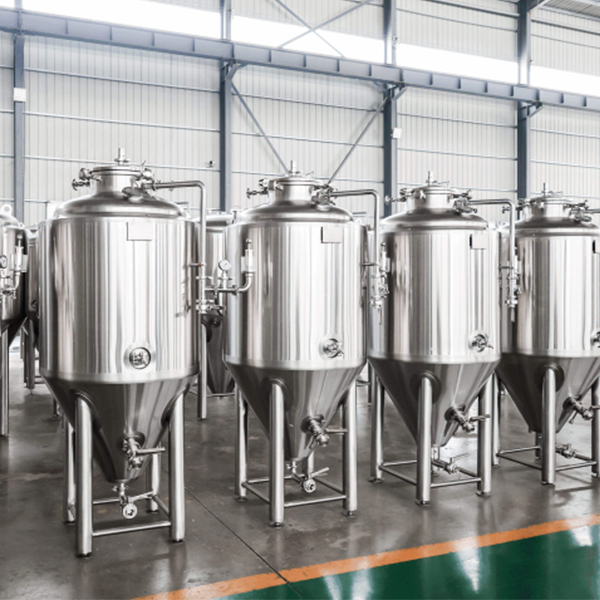
What Is a Sanitary Stainless Steel Fruit Fermenter?
A sanitary stainless steel fruit fermenter is a food-grade Fermentation vessel used to convert fruit sugars into alcohol or organic acids through controlled microbial activity.
The equipment is commonly used in:
Fruit wine production
Fruit vinegar production
Apple cider vinegar manufacturing
Grape wine fermentation
Berry wine processing
Tropical fruit fermentation
Kombucha and specialty fermented beverages
Agricultural product processing
Unlike ordinary storage tanks, sanitary fermenters are engineered specifically for fermentation processes, incorporating hygienic designs, smooth internal surfaces, temperature management systems, and specialized fittings.
Why Stainless Steel Is the Preferred Material
Stainless steel has become the industry standard material for fermentation equipment due to its outstanding performance characteristics.
Advantages of Stainless Steel
Excellent Corrosion Resistance
Fruit juices naturally contain acids that can corrode ordinary metals. Stainless steel effectively withstands acidic fermentation environments.
Hygienic Surface
The smooth polished surface minimizes bacterial growth and residue accumulation.
Easy Cleaning
Stainless steel tanks can be cleaned quickly and thoroughly using CIP systems.
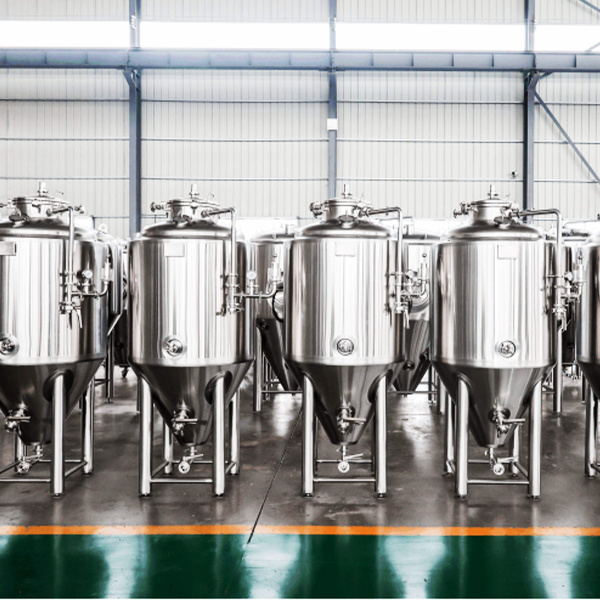
Long Service Life
High-quality stainless steel equipment can operate efficiently for decades with proper maintenance.
Food Safety Compliance
Food-grade stainless steel meets international hygiene requirements for beverage and food production.
Common Stainless Steel Grades Used in Fermenters
| Material Grade | Characteristics | Typical Application |
|---|
| SS304 | Cost-effective and corrosion-resistant | Fruit wine production |
| SS316 | Superior acid resistance | Vinegar production |
| SS304L | Improved weldability | Medium-scale systems |
| SS316L | Premium sanitary performance | High-end food processing |
For fruit vinegar production, SS316 or SS316L is often preferred because vinegar contains higher concentrations of acetic acid.
Key Features of Sanitary Stainless Steel Fruit Fermenters
Mirror-Polished Interior
The internal surface is polished to prevent product residue buildup.
Benefits include:
Conical Bottom Design
Many fermenters feature a cone-shaped bottom.
Advantages:
Temperature Control System
Temperature plays a critical role in fermentation quality.
Common options include:
Sampling Valve
Sampling ports allow operators to monitor fermentation progress without opening the tank.
Benefits include:
Airlock and Venting System
Proper gas management ensures safe fermentation.
Functions:
CIP (Clean-In-Place) technology enables automated cleaning.
Benefits include:
Applications of Fruit Fermenters
Sanitary Stainless steel fermenters are suitable for a wide variety of products.
Fruit Wine Production
Common fruits include:
Grapes
Apples
Pears
Blueberries
Strawberries
Cherries
Mangoes
Pineapples
The fermenter provides optimal conditions for yeast activity and alcohol development.
Fruit Vinegar Production
Fruit vinegar production requires additional fermentation stages.
Examples include:
Apple cider vinegar
Pineapple vinegar
Berry vinegar
Grape vinegar
Peach vinegar
Pear vinegar
The fermenter helps maintain oxygen transfer and bacterial activity during acetic acid fermentation.
Specialty Beverage Manufacturing
Modern beverage producers increasingly use fruit fermenters for:
Kombucha
Probiotic drinks
Functional beverages
Fermented fruit juices
Fruit Wine Production Process
Step 1: Fruit Selection
High-quality fruit is essential.
Selection criteria:
Freshness
Sugar content
Ripeness
Flavor profile
Step 2: Washing and Sorting
Raw materials are cleaned to remove:
Dust
Soil
Leaves
Foreign materials
Step 3: Crushing and Juice Extraction
Fruit is processed into juice or mash.
Equipment may include:
Crushers
Pulpers
Juice extractors
Step 4: Fermentation
The juice enters the stainless steel fermenter.
Yeast converts sugar into alcohol.
Reaction:
Sugar → Alcohol + Carbon Dioxide
Step 5: Maturation
The wine develops flavor and aroma during aging.
The fermenter maintains controlled environmental conditions.
Step 6: Filtration and Bottling
The finished wine is filtered and packaged.
Fruit Vinegar Production Process
Alcoholic Fermentation
Fruit sugars are converted into alcohol.
Acetic Acid Fermentation
Acetic acid bacteria convert alcohol into vinegar.
Reaction:
Alcohol + Oxygen → Acetic Acid + Water
Aging and Stabilization
The vinegar develops a smoother taste profile.
Filtration and Packaging
The final product is clarified and bottled.
Technical Specifications
The following table represents typical sanitary stainless steel fruit fermenter specifications.
| Model | Capacity (L) | Diameter (mm) | Height (mm) | Material | Jacket Option |
|---|
| SF-100 | 100 | 600 | 1200 | SS304 | Optional |
| SF-300 | 300 | 800 | 1400 | SS304 | Optional |
| SF-500 | 500 | 900 | 1600 | SS304/316 | Optional |
| SF-1000 | 1000 | 1200 | 1800 | SS304/316 | Available |
| SF-2000 | 2000 | 1400 | 2200 | SS316 | Available |
| SF-5000 | 5000 | 1800 | 2800 | SS316 | Standard |
| SF-10000 | 10000 | 2400 | 3500 | SS316 | Standard |
Benefits for Commercial Producers
Improved Product Consistency
Controlled fermentation conditions reduce batch-to-batch variation.
Increased Productivity
Efficient designs shorten production cycles.
Better Flavor Development
Precise control enhances aroma and taste.
Reduced Contamination Risk
Sanitary construction protects product quality.
Lower Maintenance Costs
Durable stainless steel minimizes repair requirements.
Important Design Considerations
Capacity Requirements
Select capacity based on:
Daily production volume
Seasonal demand
Future expansion plans
Temperature Management
Temperature affects:
Material Selection
SS304 works well for most fruit wine applications.
SS316 is recommended for vinegar production due to higher acid resistance.
Automation Level
Modern fermenters can include:
Hygiene Standards in Fruit Fermentation
Maintaining sanitation is critical.
Key Hygiene Features
Smooth Welds
Eliminate bacterial hiding points.
Dead-Angle-Free Design
Ensures complete cleaning.
Food-Grade Gaskets
Prevent contamination.
Sanitary Valves
Support safe product transfer.
Cleaning Procedures
Pre-Rinse
Remove loose residues.
Alkaline Cleaning
Dissolve organic deposits.
Acid Cleaning
Remove mineral buildup.
Sanitization
Eliminate remaining microorganisms.
Final Rinse
Prepare the tank for production.
Energy Efficiency Benefits
Modern fruit fermenters are designed to minimize operational costs.
Features include:
Benefits include reduced utility consumption and lower production costs.
Industry Trends
Growing Demand for Natural Fermented Products
Consumers increasingly seek:
Natural fruit wines
Organic vinegar
Functional beverages
Low-additive products
Smart Fermentation Technology
Manufacturers are adopting:
Sustainable Production
Sustainability initiatives encourage:
Choosing the right Fruit Fermenter
When selecting a sanitary stainless steel fruit fermenter, evaluate:
| Factor | Importance |
|---|
| Tank capacity | Production efficiency |
| Material grade | Corrosion resistance |
| Temperature control | Product quality |
| Cleaning system | Hygiene management |
| Automation level | Labor reduction |
| Expansion capability | Future growth |
| Pressure rating | Operational safety |
| Surface finish | Sanitary performance |
Frequently Asked Questions
What is the best material for fruit vinegar fermentation?
SS316 stainless steel is generally preferred because it provides excellent resistance to acidic environments.
Can one fermenter produce both wine and vinegar?
Yes. Many sanitary stainless steel fermenters can be used for both processes with proper cleaning and process control.
How long does fruit wine fermentation take?
Most fruit wine fermentations require between 7 and 30 days depending on fruit type, temperature, and yeast strain.
How long does vinegar fermentation take?
Fruit vinegar production typically requires several weeks to several months depending on the process and desired acidity.
Is temperature control necessary?
Yes. Temperature significantly influences fermentation speed, flavor development, and product consistency.
Conclusion
A sanitary stainless steel fruit fermenter is a critical piece of equipment for modern fruit wine and vinegar production. Its hygienic construction, corrosion resistance, durability, and precise process control capabilities make it ideal for commercial beverage manufacturers and food processing facilities. Whether producing apple cider vinegar, grape wine, berry wine, tropical fruit beverages, or specialty fermented products, a properly designed stainless steel fermenter helps ensure consistent quality, food safety, and efficient production.
As consumer demand for natural fermented beverages continues to grow, investing in high-quality sanitary fermentation equipment remains one of the most effective ways to improve productivity, product quality, and long-term operational success.
 +86 29-87031531



 電話
電話