Chinese Low Temperature Soy Sauce Production Line
Low-temperature brewed soy sauce production line adopts controlled low-temperature moromi fermentation technology. It retains natural aroma and amino acid substances of soy sauce, reduces undesirable browning reaction. The full line includes raw material pretreatment, koji making, low-temperature fermenting tank system, pressing, refining, filtration, sterilization and filling unit. Customized capacity from small pilot scale to large industrial plant is available.
PRODUCT DESCRIPTION
Description
Introduction to Soy Sauce Production Line
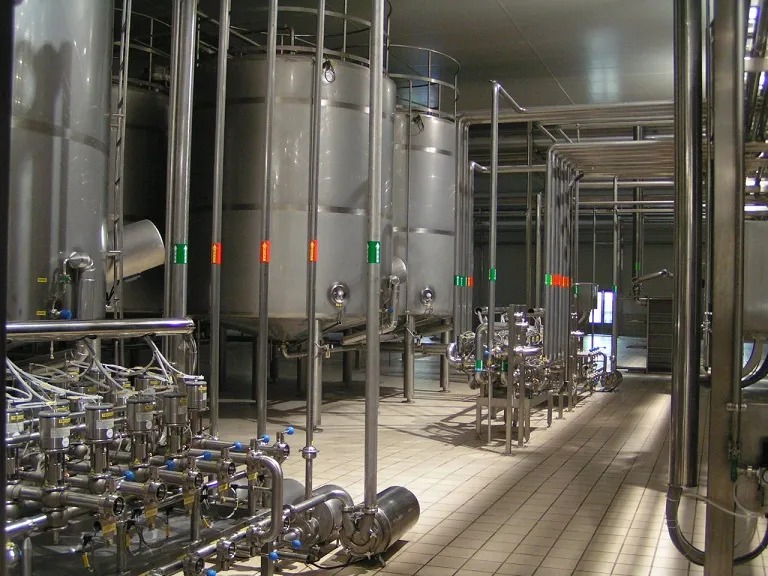
Soy sauce is one of the most widely used condiments in the world, particularly in Asian cuisine. Its production has evolved from traditional small-scale fermentation to fully automated industrial systems. A Soy Sauce Production Line enables manufacturers to produce high-quality soy sauce with consistent taste, color, and aroma while improving efficiency and reducing labor costs.
Modern production lines integrate automated soaking, cooking, fermentation, pressing, filtration, pasteurization, and bottling, creating a seamless workflow from raw materials to packaged soy sauce.
Our Aenlunte solely owned a set of certified unique brewing technology and advanced processing equipments , it not only remain the flavour of traditional brewed soy sauce, but also enhanced the flavor and can saving more than 35% energy, and at the same time shortened 1/3 of brewing time.
What is a Soy Sauce Production Line?
A Soy Sauce Production Line is an industrial system designed to automate the entire production process of soy sauce. This includes raw material handling, fermentation, filtration, pasteurization, and packaging. By automating these steps, manufacturers ensure consistent product quality, reduce contamination risk, and optimize production efficiency.
Definition Table:
Term | Description |
Soy Sauce Production Line | Industrial setup for producing soy sauce at scale |
Fermentation Tank | Tank where soybeans and wheat ferment under controlled conditions |
Pasteurizer | Equipment for sterilizing soy sauce and stabilizing flavor |
Filtration System | Removes solids for clear, uniform soy sauce |
Bottling Line | Automated line for filling, capping, and labeling bottles |
Key Components and Equipment
A typical Soy Sauce Production Line consists of the following main equipment:
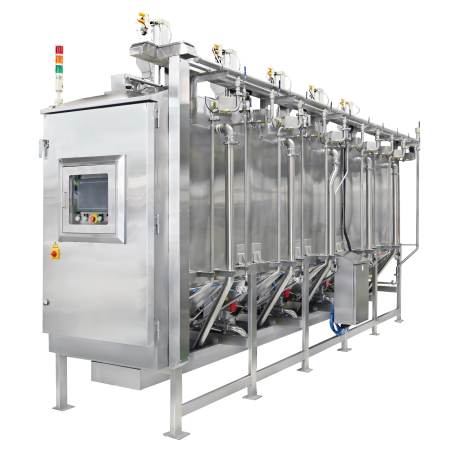
Soybean Soaking
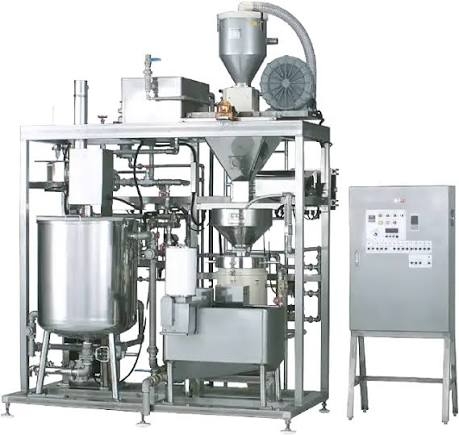
Soybean Cooking
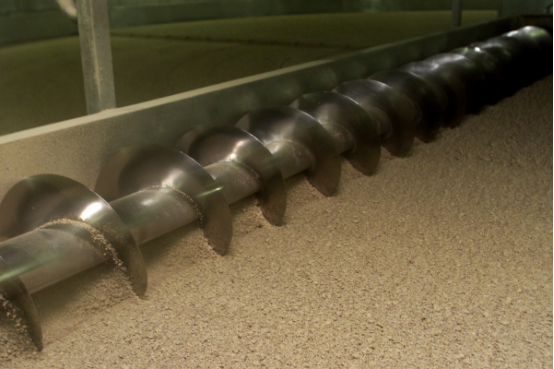
Koji Making
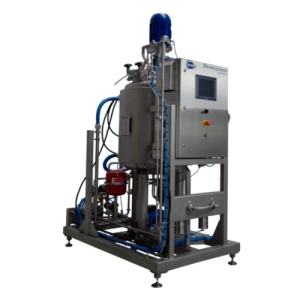
Blending
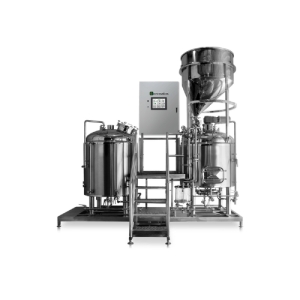
Brewing
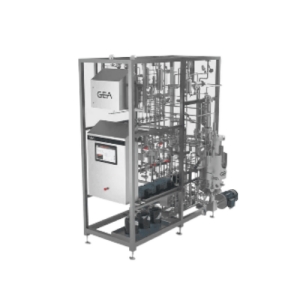
Fermentation
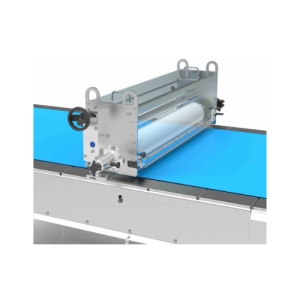
Pressing
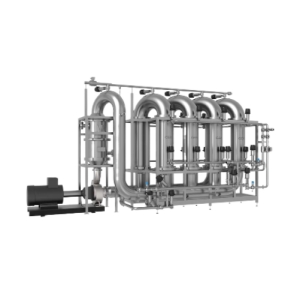
Filtration
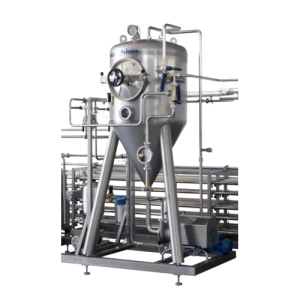
Pasteurization
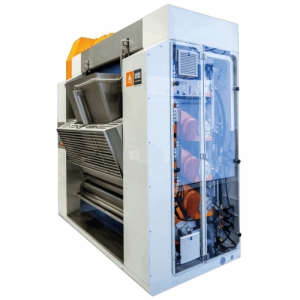
Refining
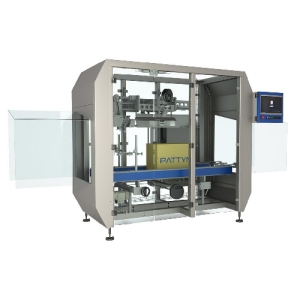
Bottling and Packaging
Equipment Specifications Table:
Equipment | Function | Key Features |
Soaking Tank | Softens soybeans | Stainless steel, temperature control |
Cooking Vessel | Boils soybeans | Steam heating, automated |
Fermentation Tank | Ferments mixture | Temperature & humidity sensors |
Pressing Unit | Extracts liquid | Hydraulic press, high efficiency |
Filtration System | Clarifies soy sauce | Multi-stage, stainless steel mesh |
Pasteurizer | Sterilizes soy sauce | Adjustable temperature, continuous flow |
Bottling Line | Packaging | Automatic filling, capping, labeling |
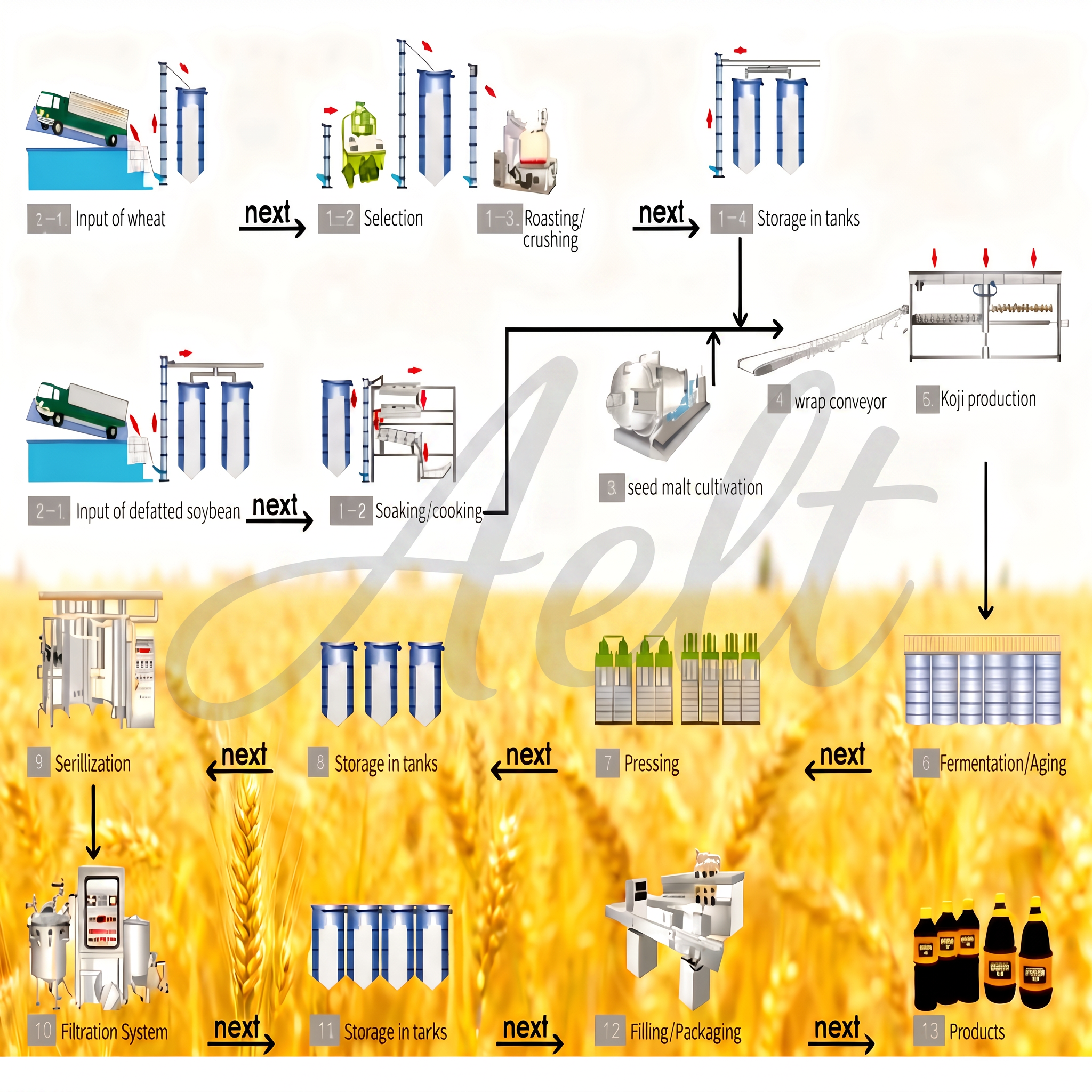
Soy Sauce Production Process
The industrial production process of soy sauce includes the following steps:
1. Raw Material Selection: High-quality soybeans, wheat, water, and salt.
2. Soaking: Soybeans are soaked for 8–12 hours.
3.Cooking: Boiled to soften and prepare for fermentation.
4. Koji Preparation: Mixing with Aspergillus oryzae starter for fermentation.
5.Primary Fermentation: Tanks maintain temperature and humidity for several months.
6. Pressing: Extract liquid soy sauce from solids.
7.Filtration & Pasteurization: Ensure clarity and microbial safety.
8. Aging (Optional): Enhance flavor and aroma.
9.Bottling & Packaging: Automated filling, capping, labeling, and packing.
Production Process Table:
Step | Description | Duration |
Soaking | Softens soybeans | 8–12 hours |
Cooking | Boiling soybeans | 2–3 hours |
Koji Preparation | Adding fermentation starter | 24 hours |
Fermentation | Controlled fermentation | 3–6 months |
Pressing | Extracts soy sauce | 1–2 hours |
Filtration & Pasteurization | Clarifies and stabilizes | 1–2 hours |
Bottling | Packaging finished product | Continuous |
Advantages of Automated Soy Sauce Production
· Consistency: Ensures uniform taste, color, and aroma.
· High Efficiency: Reduces labor and production time.
· Food Safety: Minimizes contamination through automation.
· Scalable: Adjustable production capacity for small or large factories.
· Energy Efficient: Modern lines reduce electricity and water usage.
· Customization: Ability to produce light, dark, or flavored soy sauce.
Production Capacity and Technical Specifications
Industrial soy sauce production lines vary by capacity, from small 100–500 L/day units to large 10,000+ L/day lines.
Capacity Table:
Model | Daily Output | Fermentation Tank Size | Bottling Line Speed |
Small Line | 500–1,000 L | 1,000 L | 500 bottles/hour |
Medium Line | 2,000–5,000 L | 5,000 L | 1,000 bottles/hour |
Large Line | 10,000–20,000 L | 10,000 L | 2,000 bottles/hour |
Technical Highlights:
· Material: Stainless steel (SUS304)
· Automation: PLC control, touchscreen interface
· Energy Consumption: Optimized heating and mixing
· Compliance: HACCP, ISO22000 standards
Quality Control and Food Safety
Ensuring high-quality soy sauce requires monitoring every stage:
· Raw Material Inspection: Check soybeans and wheat for moisture and purity.
· Fermentation Monitoring: pH, temperature, and microbial activity.
· Filtration Testing: Ensure clarity and absence of solids.
· Pasteurization: Verify temperature and time for sterilization.
· Packaging Inspection: Bottles checked for leaks and labeling accuracy.
QC Table:
Stage | Parameter | Standard |
Raw Material | Moisture content | ≤12% |
Fermentation | pH | 4.5–5.5 |
Filtration | Clarity | No visible solids |
Pasteurization | Temperature | 85–95°C |
Bottling | Seal integrity | 100% inspected |
Energy Efficiency and Sustainability
Modern production lines prioritize sustainability:
· Heat Recovery Systems: Reduce energy usage in cooking and pasteurization.
· Water Recycling: Minimize wastewater in washing and soaking processes.
· Automation: Reduces waste and resource consumption.
· Eco-friendly Materials: Stainless steel equipment lasts longer and is recyclable.
Common Applications
· Food Factories: Commercial soy sauce production for retail and wholesale.
· Restaurants & Hotels: Bulk production of specialty soy sauce.
· Export Markets: High-quality soy sauce for international markets.
· Sauce & Seasoning Manufacturers: Part of broader condiment production.
Maintenance and Operational Tips
· Regular cleaning of tanks and pipes to prevent microbial growth.
· Check pumps, valves, and sensors monthly.
· Replace worn-out filtration membranes and gaskets.
· Maintain proper fermentation temperature and humidity.
· Conduct periodic quality checks on batches.
Conclusion
A Soy Sauce Production Line is an essential investment for industrial-scale soy sauce manufacturing. By integrating automation, fermentation control, filtration, pasteurization, and packaging, it ensures consistent quality, high efficiency, and compliance with food safety standards. These systems are scalable, energy-efficient, and adaptable for a wide range of commercial applications, supporting both local and international markets.
FAQ
Q1: What is the typical fermentation time for soy sauce?
A1: Fermentation usually lasts 3–6 months depending on desired flavor.
Q2: Can the line produce both light and dark soy sauce?
A2: Yes, the system can adjust ingredients and fermentation to produce various types.
Q3: How automated is the line?
A3: Most modern lines are fully automated with PLC control and touchscreen interfaces.
Q4: What is the typical daily output?
A4: Ranges from 500 L/day for small lines to 20,000 L/day for large industrial lines.
Q5: Is the line energy efficient?
A5: Yes, modern lines use heat recovery, water recycling, and automated control for efficiency.
Processing steps involved in soy sauce making
Soy sauce is a seasoning liquid featuring unique color, aroma and flavor, produced by microbial fermentation of protein and starch raw materials. Based on different fermentation processes, soy sauce can be categorized into high-salt dilute-state fermented soy sauce and low-salt solid-state fermented soy sauce.
Soy Sauce Production Process
Raw soy sauce pretreatment → Blending → Filtration → Thermal Sterilization → Quality Inspection & Packaging
1. Raw Soy Sauce Pretreatment
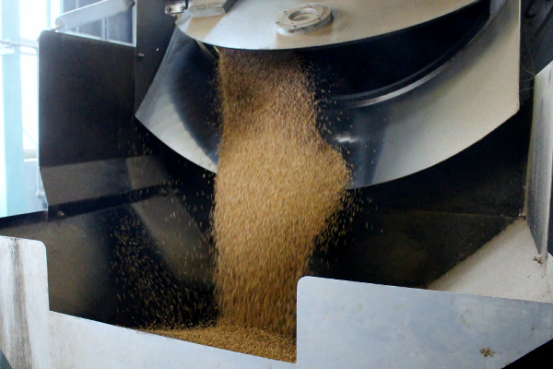
Pour cleaned soybeans into a steamer and cook them at 100°C for one hour. After cooling, add wheat flour and stir thoroughly. Following a series of complex procedures, the mixture is left to stand for one month to complete formation.
2. Blending
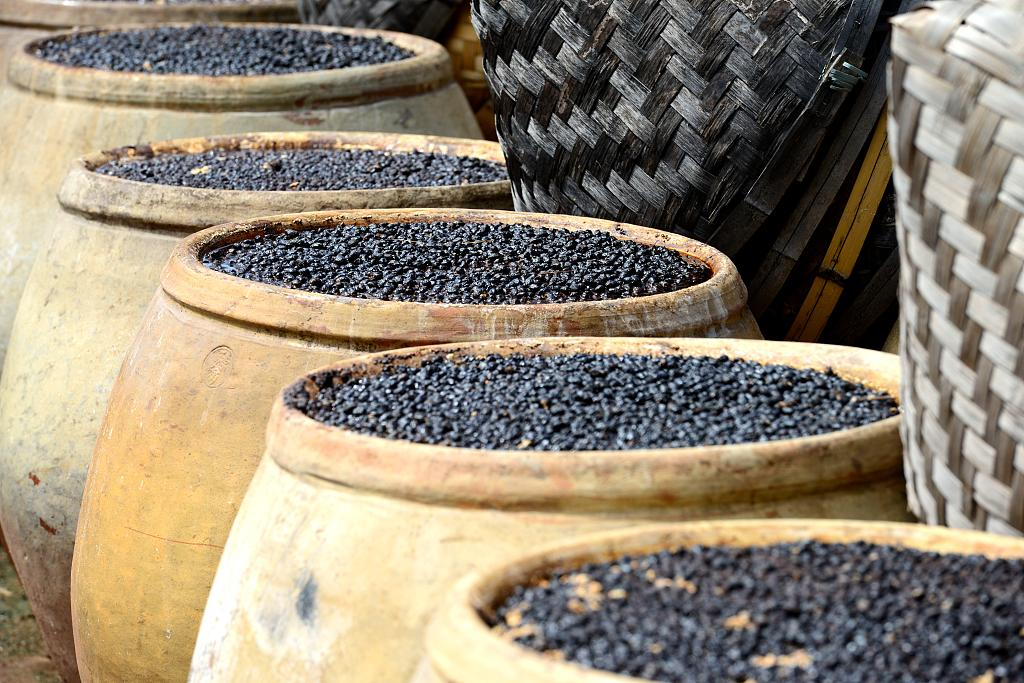
Extract the clear liquid from precipitated raw soy sauce, recover soy sauce residues, and press-filter residual oil. Add appropriate amounts of salt, preservatives and fresh-keeping agents according to product varieties and quality requirements, so that the sensory, physicochemical and sanitary indicators of soy sauce all meet quality standards.
3. Filtration
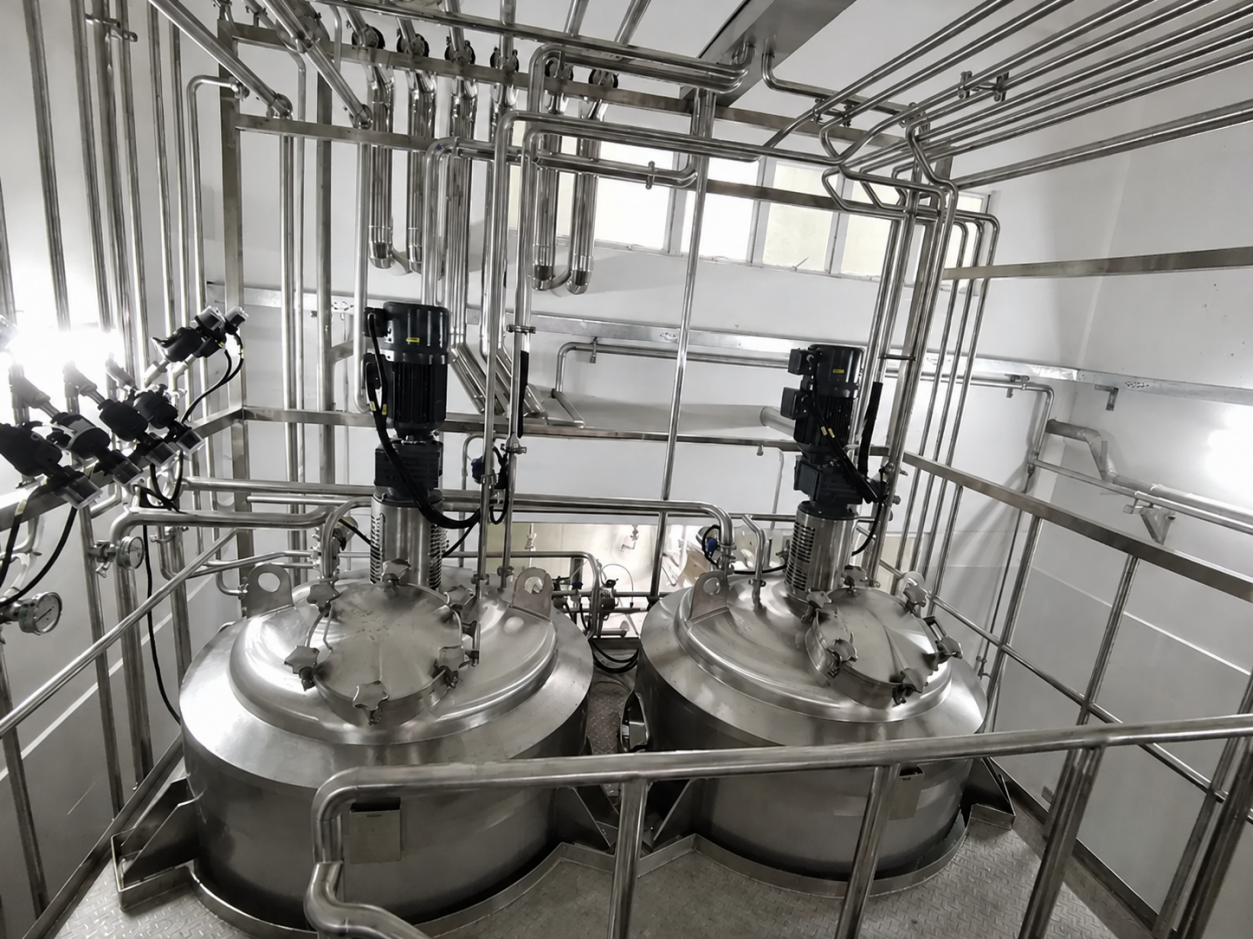
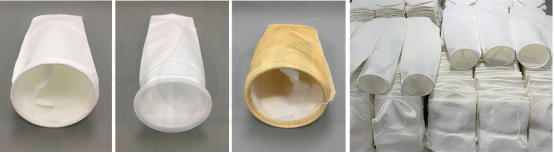
To guarantee premium quality soy sauce, it is critical to select suitable filtration equipment to remove sediment in the sauce. Given the high salt content of soy sauce, corrosion-resistant sanitary bag filters made of 316 Stainless steel are generally adopted for filtration. Besides, the filter bags fitted inside the bag filters must comply with food-grade standards.
4. Thermal Sterilization
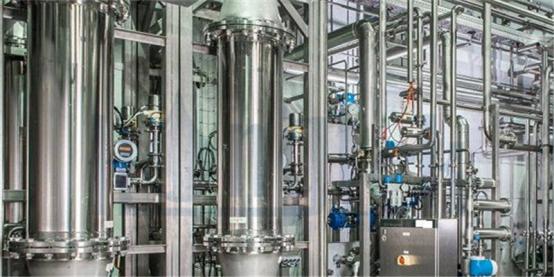
Heat the filtered raw soy sauce at 100°C for 30 minutes to achieve sterilization. After thermal treatment, cool the soy sauce naturally to below 60°C in an unsealed environment, then pump it into storage tanks. After seven days of clarification, drain off residues and pump the clarified liquid to filling tanks for bottling.
5. Quality Inspection and Packaging
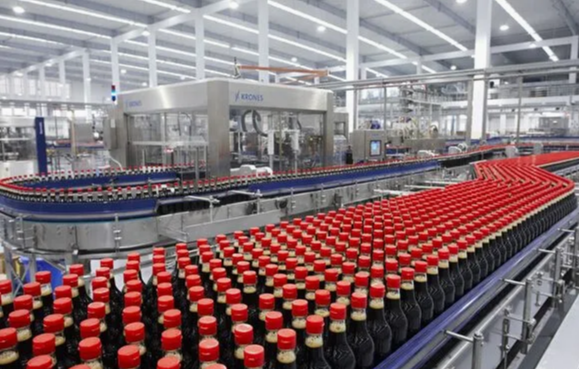
Soy sauce is inspected against all specified indicators. Once it passes inspection, clean bottles are filled with soy sauce via filling machines, followed by packaging using packaging equipment.
 +86 29-87031531



 電話
電話