Stainless steel Mixing Tank: Best-Rated Manufacturers, Suppliers and Factory Listings
A stainless steel mixing tank is one of the most widely used industrial vessels for blending, stirring,
dissolving, homogenizing, suspending, heating, cooling, and storing liquids or semi-liquids across
food processing, beverage production, dairy, cosmetics, pharmaceuticals, chemicals, water treatment,
and other manufacturing industries. When buyers search for stainless steel mixing tank manufacturers,
stainless steel mixing tank suppliers, or stainless steel mixing tank factory listings,
they are usually looking for durable equipment, reliable material performance, hygienic design, and
custom engineering options that can match a specific production process.
This page provides an SEO-friendly, industry-focused overview of stainless steel mixing tanks, including
definitions, common applications, structural features, material grades, technical specifications, selection
factors, benefits, and procurement considerations. It is designed for use in a blog article, category page,
supplier directory, or industrial product guide. The content below is general-purpose and does not recommend
any specific company.
What Is a Stainless Steel Mixing Tank?
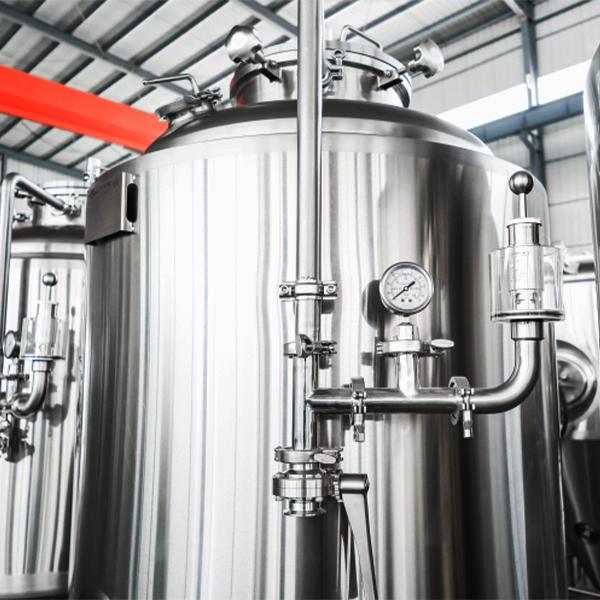
A stainless steel mixing tank is a processing vessel made primarily from stainless steel and equipped
with a mixing mechanism that keeps ingredients in motion. Depending on the process, the tank may include
an agitator, mixer, impeller, baffles, heating jacket, insulation, bottom outlet, level indicator, CIP
cleaning system, and control panel. In many industries, stainless steel mixing tanks are used for batch
processing, continuous blending, temperature control, and product preparation.
The core purpose of a mixing tank is to achieve consistent product quality. By maintaining controlled
movement inside the vessel, the tank helps eliminate settling, improve dispersion, dissolve solids,
stabilize emulsions, and ensure uniform texture and composition. Because stainless steel is corrosion-resistant,
easy to clean, and mechanically strong, it is the preferred material for many hygienic and industrial mixing
applications.
Why Stainless Steel Is the Preferred Material
Stainless steel is the standard choice for many mixing tanks because it delivers a combination of strength,
hygiene, durability, and chemical resistance. Compared with carbon steel or plastic alternatives, stainless
steel can better withstand repeated washing, temperature variation, and long-term industrial use. It is also
suitable for surfaces that must meet strict sanitary standards.
Feature |
Stainless Steel Advantage |
Industry Benefit |
|---|
Corrosion Resistance |
Resists rust and oxidation in wet or chemically active environments |
Longer service life and lower maintenance costs |
Hygienic Surface |
Smooth, non-porous finish reduces contamination risk |
Ideal for food, beverage, dairy, and pharmaceutical processing |
Strength |
High structural integrity under pressure and repeated use |
Suitable for demanding industrial operations |
Temperature Resistance |
Works well with heating and cooling systems |
Supports controlled mixing and thermal processing |
Cleanability |
Compatible with CIP and SIP systems in many applications |
Reduces downtime and improves sanitation efficiency |
Common Applications of Stainless Steel Mixing Tanks
Stainless steel mixing tank suppliers serve a wide range of industries. Different sectors require different
tank capacities, finishes, mixers, and accessories, but the basic purpose remains the same: consistent and
controlled mixing.
- Food Processing: sauces, syrups, dressings, fillings, condiments, and liquid ingredients.
- Beverage Production: juices, tea, coffee extracts, dairy drinks, flavor blends, and concentrates.
- Dairy Industry: milk blending, cream mixing, yogurt preparation, and pasteurized product handling.
- Pharmaceutical Industry: liquid formulations, suspensions, gels, and controlled blending processes.
- Cosmetics and Personal Care: lotions, creams, shampoos, conditioners, and emulsions.
- Chemical Processing: detergents, coatings, adhesives, solvents, and specialty compounds.
- Water Treatment: chemical dosing, pH adjustment, and solution preparation.
- Biotech and Lab Applications: pilot-scale mixing, formulation, and sample preparation.
In each of these industries, the right stainless steel mixing tank factory listing should reflect process
requirements such as viscosity, temperature control, sanitation level, batch size, and mixing intensity.
Types of Stainless Steel Mixing Tanks
Stainless steel mixing tanks are available in multiple configurations. The right design depends on the product,
the production line, and the desired output quality.
Tank Type |
Main Use |
Typical Features |
|---|
Open Mixing Tank |
Simple blending and low-risk process applications |
Open top, basic agitator, easy access for inspection |
Closed Mixing Tank |
Sanitary, controlled, or pressurized processes |
Sealed lid, sanitary fittings, venting options |
Jacketed Mixing Tank |
Heating or cooling during mixing |
Single or double jacket for thermal transfer |
High Shear Mixing Tank |
Emulsification, dispersion, and fine particle breakdown |
High-speed mixer, rotor-stator design, stronger motor |
Vacuum Mixing Tank |
Air-sensitive or bubble-free products |
Vacuum sealing, deaeration, improved product density |
Sanitary Mixing Tank |
Food, beverage, and pharmaceutical use |
Polished finish, hygienic fittings, CIP compatibility |
Key Parts of a Stainless Steel Mixing Tank
Most stainless steel mixing tanks share a number of standard components. Manufacturers may change the layout,
but the structure often includes the following parts:
- Tank Body: the main vessel where product is held and mixed.
- Agitator or Mixer: the mechanical device that creates motion and blending.
- Motor and Gearbox: power source for the mixing system.
- Impeller: the rotating part that moves the liquid or semi-liquid.
- Baffles: internal components that improve flow patterns and reduce vortexing.
- Jacket: heating or cooling layer around the vessel for temperature control.
- Manhole or Lid: access point for inspection, cleaning, or ingredient addition.
- Inlet and Outlet Ports: used for loading, unloading, recirculation, or transfer.
- Control System: may include speed control, temperature readout, and automation.
- Support Frame or Legs: provides stable structural support.
Stainless Steel Grades Used in Mixing Tanks
The choice of stainless steel grade has a major impact on corrosion resistance, durability, and sanitary
performance. The most commonly used grades for mixing tanks are 304 and 316 stainless steel.
Grade |
General Properties |
Typical Application |
|---|
304 Stainless Steel |
Excellent general corrosion resistance, cost-effective, widely available |
Food processing, beverages, light industrial blending |
316 Stainless Steel |
Enhanced resistance to chemicals, salts, and aggressive cleaning agents |
Pharmaceutical, marine, chemical, and higher-purity applications |
316L Stainless Steel |
Low carbon version with strong weldability and improved corrosion performance |
Sanitary and sterile process equipment |
304L Stainless Steel |
Lower carbon content than 304, easier to weld in some designs |
General sanitary tanks and welded assemblies |
For buyers comparing stainless steel mixing tank manufacturers, the metal grade should always be confirmed
before purchase. A low-cost quote may not be suitable if the process requires stronger chemical resistance,
higher sanitation, or long-term durability.
Advantages of Stainless Steel Mixing Tanks
Stainless steel mixing tanks provide a number of operational and commercial advantages. These advantages
are a major reason why they remain one of the most searched industrial equipment categories.
- Long Service Life: stainless steel resists wear, corrosion, and frequent cleaning cycles.
- High Sanitary Standards: smooth surfaces help reduce residue buildup and contamination risk.
- Process Flexibility: suitable for liquids, viscous materials, slurries, and semi-solids.
- Custom Engineering: tanks can be built for specific volumes, speeds, and temperatures.
- Improved Product Consistency: controlled mixing helps maintain quality from batch to batch.
- Thermal Compatibility: can be paired with heating or cooling jackets.
- Easy Integration: compatible with pumps, pipelines, sensors, and automation systems.
- Better ROI: durability and lower maintenance often reduce lifecycle cost.
Typical Specifications for Stainless Steel Mixing Tanks
Product directories and factory listings usually display a mix of standard and customizable specifications.
The table below shows common specification items buyers should review when comparing suppliers.
Specification |
Common Range or Option |
Why It Matters |
|---|
Capacity |
From small laboratory sizes to several thousand liters |
Determines production scale and batch volume |
Material |
304, 304L, 316, 316L stainless steel |
Impacts corrosion resistance and hygiene |
Surface Finish |
Polished, brushed, mirror, or sanitary finish |
Affects cleanability and contamination control |
Mixing Speed |
Variable or fixed speed options |
Supports different product viscosities and process needs |
Agitator Type |
Anchor, paddle, propeller, turbine, or high-shear |
Controls blending efficiency and product behavior |
Heating/Cooling |
Steam, electric, thermal oil, or chilled water jacket |
Maintains the required process temperature |
Insulation |
Optional thermal insulation layer |
Improves energy efficiency and temperature retention |
Discharge Design |
Bottom valve, side outlet, or custom transfer port |
Supports efficient product removal |
Control System |
Manual, semi-automatic, or fully automatic |
Supports operational precision and repeatability |
Compliance |
Sanitary, GMP, food-grade, or industry-specific standards |
Important for regulated and export-oriented projects |
How to Choose the Right Stainless Steel Mixing Tank Supplier
When searching for stainless steel mixing tank suppliers or evaluating factory listings,
buyers should focus on engineering capability, material quality, and application fit rather than price alone.
A reliable supplier should be able to explain construction details, surface finish options, mixer selection,
and process compatibility.
- Industry Experience: suppliers should understand the target application and product behavior.
- Material Traceability: the steel grade and material source should be clearly documented.
- Customization Capability: the factory should be able to adjust dimensions, fittings, and mixer type.
- Quality Control: weld quality, testing, and inspection procedures should be transparent.
- Hygienic Design: sanitary applications require smooth welds and easy-to-clean construction.
- Technical Support: suppliers should assist with drawings, specifications, and installation guidance.
- After-Sales Service: spare parts, maintenance support, and troubleshooting matter over the long term.
Questions to Ask Before Buying
A well-prepared buyer request for quote can improve accuracy and shorten procurement time. The following
questions are commonly used when comparing stainless steel mixing tank manufacturers and factory listings.
- What stainless steel grade is used for the tank body and wetted parts?
- What is the total capacity and working capacity of the vessel?
- What type of agitator or mixer is recommended for this product?
- Is the tank jacketed for heating or cooling?
- What surface finish is available for sanitary use?
- Can the tank be designed for CIP cleaning?
- What are the voltage, frequency, and motor specifications?
- Is the tank suitable for viscous, abrasive, or temperature-sensitive materials?
- Can the supplier provide drawings or a technical layout before production?
- What inspection and testing are performed before shipment?
Mixing Tank Capacity Reference Table
The right tank size depends on batch volume, mixing time, freeboard requirements, and future production
expansion. The table below provides a general reference for common capacity ranges.
Capacity Range |
Typical Use |
Production Scale |
|---|
10L - 100L |
Laboratory, sample testing, small-batch formulation |
R&D and pilot development |
100L - 500L |
Trial production, small processing lines, specialty products |
Light industrial |
500L - 2000L |
Standard batch production for food, beverage, cosmetics, and chemicals |
Medium-scale manufacturing |
2000L - 10000L+ |
Large-volume process lines and high-output plants |
Industrial-scale production |
Surface Finish and Hygienic Requirements
Surface finish is one of the most important factors for sanitary stainless steel mixing tanks. A smoother surface
makes it harder for product residue, bacteria, or contaminants to accumulate. In food-grade and pharmaceutical
applications, the polish quality is often as important as the steel grade itself.
Common finish options include mechanically polished surfaces, brushed finishes, and high-polish or mirror finishes.
The required finish level depends on the product and industry. For example, a cosmetic cream tank may need a smoother
sanitary finish than a general chemical blending tank. When reviewing factory listings, buyers should ask for surface
roughness values, polishing method, and weld finishing details.
Customization Options for Stainless Steel Mixing Tanks
One of the main reasons buyers work with stainless steel mixing tank manufacturers is the ability to customize
the equipment. Custom-built tanks can be designed around product viscosity, mixing speed, cleaning method,
plant layout, and temperature requirements.
- Custom capacity and dimensions
- Different agitator and impeller configurations
- Variable speed drive or frequency inverter control
- Heating and cooling jacket design
- Insulated or non-insulated vessel body
- Sampling ports, manholes, and sight glasses
- Load cells or weighing systems
- Vacuum or pressure operation
- CIP spray balls and sanitary piping
- Portable or fixed installation options
Industry Buying Trends and Market Expectations
Demand for stainless steel mixing tank suppliers continues to grow because manufacturers want better process
efficiency, improved hygiene, and stronger automation. Buyers increasingly expect accurate technical drawings,
short lead times, reliable export packaging, and clear documentation. In many markets, factory listings are
evaluated based on customization ability, quality control standards, and the supplier’s knowledge of specific
industry requirements.
Modern buyers also prefer equipment that supports energy efficiency, easy maintenance, and long-term stability.
As a result, manufacturers are often expected to provide options such as variable-speed mixers, improved thermal
insulation, digital controls, and sanitary-ready weld treatments.
Factory Listing Checklist for Stainless Steel Mixing Tank Pages
If you are creating a directory page or catalog entry for stainless steel mixing tank factory listings,
it is useful to include a structured set of information so search engines and buyers can quickly understand
the offering.
Listing Element |
Recommended Content |
SEO Value |
|---|
Product Name |
Stainless steel mixing tank, jacketed mixing tank, sanitary mixing tank |
High keyword relevance |
Application |
Food, beverage, dairy, cosmetics, chemical, pharmaceutical |
Improves topical clarity |
Materials |
304/316 stainless steel, sanitary grade options |
Supports buyer trust |
Specifications |
Capacity, power, speed, finish, jacket type |
Enhances long-tail search coverage |
Customization |
OEM, ODM, custom design, drawing support |
Attracts high-intent traffic |
Compliance |
Food-grade, GMP, sanitary standards |
Supports conversion and relevance |
Maintenance and Cleaning Considerations
Proper maintenance helps extend the lifespan of a stainless steel mixing tank and keeps the process stable.
Regular cleaning also reduces the risk of cross-contamination and product defects. In sanitary industries,
tanks should be designed for easy access, effective drainage, and complete cleaning coverage.
- Inspect welds, seals, and fittings regularly.
- Clean the tank according to product residue and industry standards.
- Check mixer bearings, motor performance, and gearbox condition.
- Verify that valves, ports, and hoses are free from buildup.
- Monitor temperature control systems and jacket performance.
- Replace worn gaskets or seals promptly.
SEO Keywords Related to Stainless Steel Mixing Tank Manufacturers
The following keyword themes are commonly associated with this topic and can help strengthen SEO structure
on a blog page, category page, or supplier directory page:
- stainless steel mixing tank manufacturers
- stainless steel mixing tank suppliers
- stainless steel mixing tank factory listings
- jacketed stainless steel mixing tank
- sanitary mixing tank for food industry
- industrial stainless steel mixing vessel
- custom stainless steel mixer tank
- high shear mixing tank stainless steel
- Stainless Steel Blending Tank
- stainless steel agitator tank
Conclusion
Stainless steel mixing tanks remain a core asset in modern manufacturing because they combine hygiene,
durability, versatility, and process control. Whether the application is food processing, beverage production,
pharmaceuticals, cosmetics, or chemicals, the correct tank design helps improve product consistency and
operational efficiency. Buyers searching for stainless steel mixing tank manufacturers, suppliers, or factory
listings should compare material grades, surface finish, agitator design, capacity, and customization capability
to ensure the equipment matches the intended process.
For SEO purposes, pages built around stainless steel mixing tank topics should include clear definitions,
structured tables, application keywords, and specification-oriented content. This helps search engines better
understand the subject while also giving visitors the technical information they need to make informed sourcing
decisions.
```
 +86 29-87031531





 電話
電話
コメント
(0)