Stainless steel fermenter Installation Guide for Brewery Beginners
For brewery beginners, installing a Stainless steel fermenter is one of the most important steps in ensuring high-quality beer. Understanding proper setup, sanitation, and operational procedures is essential for maintaining consistent fermentation, controlling temperature, and preventing contamination. This stainless steel Fermenter installation guide for brewery beginners provides detailed instructions, practical tips, and best practices to get started efficiently and safely.
Whether you are running a small craft brewery or setting up a home brewery, the correct installation of a stainless steel fermenter ensures beer quality, operational safety, and long-term reliability.
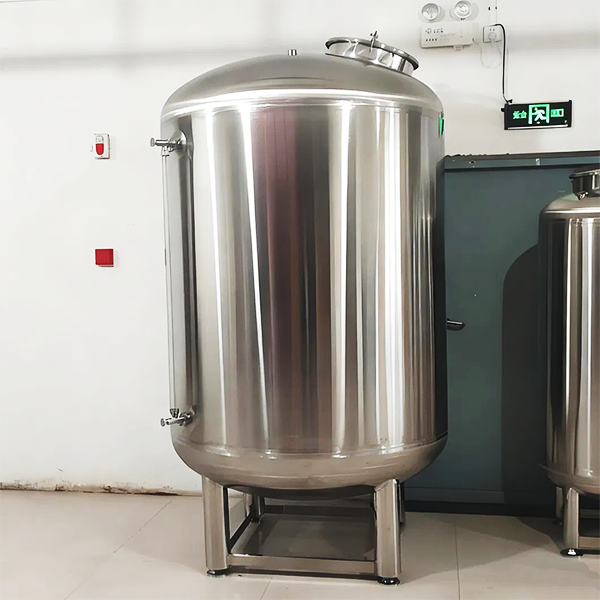
1. Introduction to Stainless Steel Fermenters
A stainless steel fermenter is a specialized vessel designed for controlled fermentation of beer. Unlike plastic or glass, stainless steel offers durability, corrosion resistance, and easy sanitation, making it ideal for both beginners and experienced brewers.
Key features of stainless steel fermenters include:
Non-porous, smooth surfaces that prevent bacterial growth
Conical or cylindrical shapes for sediment collection
Temperature control ports or jackets
Integrated valves for draining, sampling, and yeast Harvesting
These features highlight why this stainless steel fermenter installation guide for brewery beginners focuses on correct setup to optimize fermentation and beer quality.
2. Preparing Your Brewing Space
Before beginning installation, brewery beginners should prepare a suitable workspace. Proper space ensures safety, ease of access, and compliance with sanitation requirements.
Preparation Steps:
Select a Level Surface: Ensure the floor can support the weight of a filled fermenter.
Adequate Ventilation: Prevents buildup of carbon dioxide during fermentation.
Access to Utilities: Water, electricity, and drainage must be accessible.
Sanitation Area: A designated cleaning area helps maintain hygiene.
Proper preparation is the first step in a successful stainless steel fermenter installation guide for brewery beginners.
3. Unpacking and Inspecting Your Fermenter
Before installation, carefully unpack the fermenter and inspect all components:
Check for dents, scratches, or damage
Ensure valves, gaskets, and lids are present and functional
Verify that the temperature control ports are intact
Inspection prevents future operational issues and ensures your stainless steel fermenter installation guide for brewery beginners starts on the right foot.
4. Positioning the Fermenter
Correct positioning of the fermenter is essential for effective fermentation and safety.
Positioning Tips:
Place the fermenter on a level surface to prevent tipping
Ensure there is clearance around the vessel for cleaning and monitoring
Keep valves accessible for sampling and draining
Consider sunlight exposure; stainless steel is less reactive, but indirect light is best
Proper placement ensures consistent fermentation, a core principle of this stainless steel fermenter installation guide for brewery beginners.
5. Installing Valves and Fittings
Valves and fittings control fluid flow, yeast harvesting, and sampling. Correct installation is essential for safety and functionality.
Steps:
Securely attach all gaskets and seals to prevent leaks
Connect the drain valve at the bottom of the vessel for sediment removal
Install sampling valves at accessible heights
Ensure any temperature probe ports or cooling jacket connections are tight
Valves and fittings are critical to the stainless steel fermenter installation guide for brewery beginners, impacting sanitation, operation, and beer quality.
6. Connecting Temperature Control Systems
Temperature stability is key to high-quality fermentation. Most stainless steel fermenters include cooling jackets or ports for connecting external temperature control systems.
Temperature Setup Tips:
Attach glycol or water lines carefully to avoid leaks
Verify pump and thermostat functionality before adding beer
Monitor initial test runs for consistent temperature distribution
Adjust according to the beer style being brewed
Temperature management is one of the most important elements in this stainless steel fermenter installation guide for brewery beginners.
7. Cleaning and Sanitizing Before First Use
Sanitation is essential to prevent contamination and off-flavors. A thorough cleaning ensures the fermenter is safe for brewing.
Cleaning Steps:
Rinse the fermenter with warm water
Apply food-grade cleaning solution and scrub internal surfaces
Rinse thoroughly to remove cleaning residues
Sanitize with a no-rinse sanitizer suitable for brewing
Following these steps is vital for achieving the stainless steel fermenter installation guide for brewery beginners’ goal of high-quality beer production.
8. Filling and Initial Setup
Once the fermenter is sanitized, it is ready for filling:
Slowly pour wort to prevent splashing and oxygen incorporation
Ensure valves are closed and secure
Monitor temperature to maintain desired fermentation conditions
Proper initial setup supports yeast health and consistent fermentation, reinforcing the stainless steel fermenter installation guide for brewery beginners principles.
9. Monitoring Fermentation
After installation, careful monitoring ensures the fermentation process proceeds smoothly.
Monitoring Tips:
Check temperature daily to maintain stability
Observe foam and sediment formation
Take samples via the sampling valve to track progress
Adjust cooling or heating systems as necessary
Consistent monitoring ensures a successful stainless steel fermenter installation guide for brewery beginners outcome with predictable beer quality.
10. Harvesting Yeast and Draining
Stainless steel fermenters often allow for easy yeast harvesting and sediment removal due to conical designs.
Open the bottom valve to collect sediment
Reuse healthy yeast for subsequent batches
Clean and sanitize valves after each use
This step demonstrates a practical application of the stainless steel fermenter installation guide for brewery beginners to maintain flavor consistency.
11. Safety Considerations
Safety during installation and use is critical for brewery beginners:
Wear protective gear when handling heavy vessels
Ensure valves are properly closed to prevent spills
Follow manufacturer weight limits for filled vessels
Maintain clear workspace to prevent accidents
Safety practices are an essential part of the stainless steel fermenter installation guide for brewery beginners.
Beginners should avoid common errors during fermenter installation:
Installing on uneven surfaces
Failing to sanitize before first use
Ignoring temperature stability
Improper valve attachment or loose gaskets
Overfilling the vessel
Avoiding these mistakes ensures the effectiveness of the stainless steel fermenter installation guide for brewery beginners.
13. Maintenance and Long-Term Care
Proper maintenance extends the life of your fermenter and ensures consistent beer quality:
Regular cleaning after each batch
Periodic inspection of valves, gaskets, and welds
Temperature system calibration
Replace worn parts promptly
Maintenance is a core component of the stainless steel fermenter installation guide for brewery beginners.
14. Applications for Small and Commercial Breweries
Stainless steel fermenter installation benefits both small home breweries and commercial operations:
Small breweries gain easy sanitation and temperature control
Commercial breweries benefit from scalability, yeast management, and operational efficiency
Proper installation ensures predictable results and consistent flavor
Understanding these applications is a key outcome of the stainless steel fermenter installation guide for brewery beginners.
15. Conclusion
Correct installation of a stainless steel fermenter is essential for brewery beginners seeking high-quality beer. From site preparation to valve installation, temperature control, sanitation, and yeast management, each step impacts fermentation consistency and flavor. Following this stainless steel fermenter installation guide for brewery beginners ensures safe operation, predictable results, and professional-grade beer quality.
By investing time in proper installation and maintenance, beginners can enjoy a long-lasting, reliable fermenter that supports consistent, flavorful craft beer for years to come.
 +86 29-87031531



 電話
電話
コメント
(0)