Stainless steel Fermentation Tank: Reliable and Trusted Wholesale Suppliers and Companies Most Recommended
When buyers search for a stainless steel fermentation tank, they are often looking for more than just a container.
They want a durable, hygienic, easy-to-clean, and scalable fermentation solution that can support consistent production in food,
beverage, dairy, brewery, pharmaceutical, cosmetic, and bio-processing environments. In wholesale markets, the most trusted suppliers
and companies are typically those that can deliver reliable quality, stable lead times, strong customization capability, and long-term
technical support.
This page provides a comprehensive, SEO-friendly overview of the stainless steel fermentation tank category,
including definitions, key benefits, common applications, standard specifications, material options, selection tips, and supplier evaluation
criteria. It is designed to support search visibility for commercial, industrial, and directory-style pages while avoiding any specific
company endorsements. If you are building a product page, industry page, or wholesale category landing page, this content can serve as a
strong foundation for organic ranking and user education.
What Is a Stainless Steel Fermentation Tank?
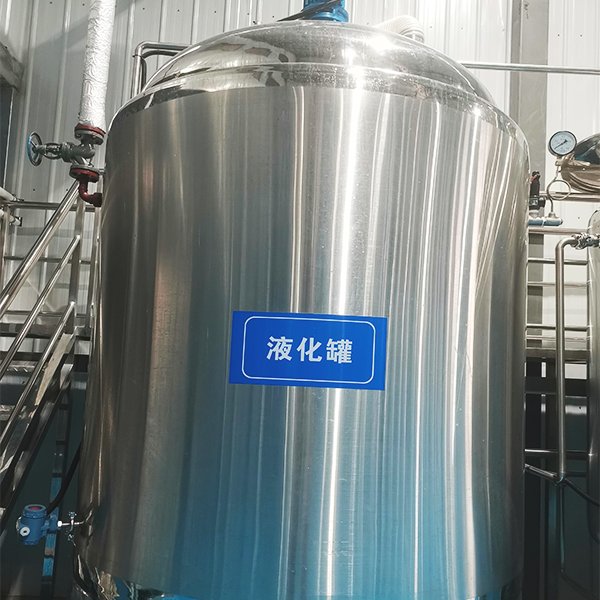
A stainless steel fermentation tank is a sealed or semi-sealed vessel used to support fermentation processes in which
microorganisms, yeast, enzymes, or controlled biochemical reactions transform raw materials into finished products. These tanks are built
from stainless steel to ensure corrosion resistance, sanitation, structural strength, and long service life. Depending on the application,
a fermentation tank may include temperature control jackets, agitation systems, pressure controls, sanitary fittings, insulation layers,
sterile vents, manways, CIP spray balls, and automation interfaces.
In commercial and industrial environments, stainless steel is preferred because it can handle repeated cleaning cycles, aggressive
process conditions, acidic or alkaline media, and temperature fluctuations. A properly designed stainless steel fermentation tank helps
maintain product consistency, minimize contamination risk, and improve production efficiency.
Why Stainless Steel Is the Preferred Material for Fermentation Tanks
Stainless steel has become the material of choice for fermentation systems because of its balance of hygiene, durability, and performance.
Compared with plastic, carbon steel, or lower-grade alloys, a stainless steel fermentation tank offers better resistance to rust, chemical
attack, and microbiological buildup. It also supports high-temperature sanitation and long-term use in demanding environments.
Material Property |
Benefit for Fermentation |
Typical Result |
|---|
Corrosion resistance |
Resists moisture, acids, and cleaning chemicals |
Longer service life and lower maintenance |
Hygienic surface |
Smooth finish reduces residue and contamination |
Easier cleaning and better product safety |
Mechanical strength |
Withstands pressure, agitation, and repeated use |
Stable operation under industrial conditions |
Temperature tolerance |
Handles heating, cooling, and thermal cycling |
Improved process control |
Fabrication flexibility |
Can be customized in many sizes and configurations |
Suitable for small batch and large-scale production |
Core Advantages of Stainless Steel Fermentation Tanks
The demand for a stainless steel fermentation tank continues to grow because it meets the practical needs of modern
production facilities. Whether the application involves beer, wine, kombucha, dairy cultures, enzymes, or pharmaceutical compounds,
stainless steel provides a dependable and scalable solution.
1. Excellent Hygiene and Sanitation
Stainless steel supports sanitary processing because it is smooth, non-porous, and easy to clean. This makes it ideal for applications
where contamination control is critical. A high-quality stainless steel fermentation tank can be equipped with CIP (Clean-in-Place)
features to reduce manual cleaning time and improve repeatability.
2. Strong Corrosion Resistance
Fermentation environments often involve acids, alcohol, moisture, salts, and cleaning chemicals. Stainless steel is highly valued because
it resists corrosion and pitting far better than many alternative materials. This is particularly important for facilities seeking a
long-term, low-risk investment.
3. Long Service Life
A stainless steel fermentation tank is built to endure years of use. With proper maintenance, it can provide a long operational lifespan,
making it a cost-effective choice for wholesale buyers focused on value and reliability.
4. Precise Temperature Control
Many fermentation processes require exact temperature management. Tanks may use dimple jackets, cooling coils, insulation layers, or
heating systems to maintain ideal conditions. Stable temperature control helps improve fermentation efficiency and product quality.
5. Customization and Scalability
Stainless steel tanks can be customized in capacity, shape, pressure rating, fittings, height, diameter, and functional configuration.
This makes them suitable for both startup operations and large industrial plants. Wholesale suppliers often provide flexible OEM and ODM
options to support different market needs.
6. Professional Appearance and Brand Value
In visible production environments such as breweries, wineries, and craft beverage facilities, stainless steel equipment also provides a
clean and professional appearance. This can improve brand perception and support customer confidence.
Common Applications of Stainless Steel Fermentation Tanks
The stainless steel fermentation tank is used across multiple industries. Each sector may require different technical
features, but the underlying benefits remain consistent: sanitation, reliability, control, and longevity.
Industry |
Typical Use |
Common Tank Features |
|---|
Beverage |
Beer, wine, cider, kombucha, spirits |
Cooling jacket, pressure relief, sampling valve, sanitary fittings |
Dairy |
Yogurt, kefir, cultured milk products |
Insulation, temperature control, hygienic mixing |
Food processing |
Vinegar, sauces, fermented foods |
Corrosion resistance, easy cleaning, food-grade design |
Biotechnology |
Microbial fermentation, enzyme production |
Precise control, sterile operation, monitoring ports |
Pharmaceutical |
Active ingredients, cultured media |
High sanitation, validated process support, polished finish |
Cosmetics |
Bio-based ingredients and extracts |
Controlled mixing, clean surfaces, stable output |
Types of Stainless Steel Fermentation Tanks
Stainless steel fermentation tanks are available in many structural forms. The right design depends on product type, process duration,
hygiene requirements, available floor space, and output volume. Wholesale buyers should understand the major categories before selecting
a supplier.
1. Open Fermentation Tanks
Open fermentation tanks are easier to access and often used in traditional or lower-pressure fermentation applications. They may be
suitable for specific food or beverage processes where direct access is desirable.
2. Closed Fermentation Tanks
Closed tanks offer better contamination control and are commonly used in commercial fermentation. They can be equipped with pressure
management systems, sanitary seals, and process monitoring tools.
3. Jacketed Fermentation Tanks
Jacketed tanks include heating or cooling jackets around the vessel body or cone. These are ideal for processes that require precise
temperature stability during fermentation.
4. Conical Fermentation Tanks
Conical designs help collect sediment and simplify yeast or biomass removal. They are widely used in brewery and beverage production.
5. Cylindrical Fermentation Tanks
Cylindrical tanks are common in many industrial settings due to their straightforward structure and efficient space utilization.
6. Pressure-Rated Fermentation Tanks
Some fermentation processes benefit from the ability to hold internal pressure. Pressure-rated tanks are designed with reinforced
components and safety features to support controlled pressure environments.
Standard Stainless Steel Grades Used in Fermentation Tanks
The material grade affects corrosion resistance, cost, and suitability for specific media. Most reputable wholesale suppliers offer
different stainless steel grades depending on application needs.
Stainless Steel Grade |
Main Characteristics |
Typical Application |
|---|
304 stainless steel |
Good corrosion resistance, cost-effective, widely used |
General food, beverage, and sanitary fermentation |
316 stainless steel |
Higher resistance to salts, acids, and aggressive media |
Dairy, pharmaceutical, chemical, and more demanding environments |
316L stainless steel |
Lower carbon content, improved weld performance, enhanced corrosion resistance |
High-purity and sanitary systems |
304L stainless steel |
Improved weldability and corrosion resistance over standard 304 |
Food-grade and hygienic processing |
In many purchasing decisions, 304 stainless steel is chosen for standard operations, while 316 or 316L is preferred when the process
involves stronger chemicals, higher purity expectations, or more severe operating conditions.
Important Components of a Stainless Steel Fermentation Tank
A reliable stainless steel fermentation tank is more than a shell and a lid. The performance of the system depends on
the quality of its components, accessories, and process-specific design features.
Component |
Function |
Why It Matters |
|---|
Tank body |
Main vessel for fermentation |
Determines capacity and structural integrity |
Manway |
Access for inspection and maintenance |
Supports cleaning and servicing |
Sampling valve |
Allows product sampling during fermentation |
Helps monitor quality and progress |
Pressure relief valve |
Protects against overpressure |
Improves safety |
Temperature sensor port |
Supports monitoring and control |
Ensures process consistency |
Cooling/heating jacket |
Regulates tank temperature |
Maintains optimal fermentation conditions |
CIP spray ball |
Enables automated cleaning |
Improves sanitation and efficiency |
Agitator or mixer |
Keeps content uniform |
Helps ensure even fermentation |
Insulation layer |
Reduces heat loss or gain |
Improves energy efficiency |
Outlet and discharge valve |
Facilitates product transfer |
Supports efficient workflow |
Typical Stainless Steel Fermentation Tank Specifications
Wholesale buyers often compare a set of standard specifications before requesting a quote. These specifications help define tank
performance, compatibility, and installation requirements.
Specification |
Common Range or Option |
Notes |
|---|
Capacity |
50 L to 100,000+ L |
Available for pilot, small batch, and industrial use |
Material |
304, 304L, 316, 316L stainless steel |
Selected based on corrosion and hygiene needs |
Surface finish |
2B, polished, mirror polished, sanitary finish |
Smoother finishes improve cleanability |
Pressure rating |
Atmospheric to pressure-rated |
Depends on process requirements |
Temperature control |
Cooling jacket, heating jacket, coil system |
Critical for stable fermentation |
Insulation |
Optional or standard |
Improves thermal efficiency |
Agitation |
Optional mixer or stirrer |
Used in some food, dairy, and biotech applications |
Cleaning system |
CIP spray ball, manual cleaning access |
Supports sanitation and uptime |
Installation type |
Vertical or horizontal |
Chosen based on space and process design |
Customization |
OEM/ODM available |
Common for wholesale supply |
How to Choose a Reliable Stainless Steel Fermentation Tank Supplier
Since this page focuses on reliable and trusted wholesale suppliers and companies most recommended in a general
industry sense, it is important to understand the qualities that define a dependable supplier. In B2B procurement, buyers usually look
for technical credibility, production consistency, customization support, and responsive communication rather than marketing claims alone.
1. Material and Fabrication Quality
A trustworthy supplier should clearly specify stainless steel grades, welding standards, finish quality, and inspection processes.
Poor fabrication can lead to contamination, leaks, inefficient cleaning, or shortened service life.
2. Engineering Capability
The best suppliers are able to design tanks for different industries and operating conditions. They should understand process flow,
temperature control, pressure safety, sanitary design, and installation requirements.
3. Customization Options
Wholesale buyers often need customized dimensions, ports, valves, jackets, manways, and automation interfaces. A strong supplier should
offer flexible production rather than a one-size-fits-all approach.
4. Quality Control and Testing
Reliable companies use inspection protocols such as weld checking, pressure testing, leak testing, surface inspection, and dimensional
verification. Testing helps ensure the tank performs as intended after delivery.
5. Sanitary and Safety Standards
Depending on the industry, the tank may need to comply with food-grade, beverage-grade, or pharmaceutical-grade standards. Buyers should
confirm whether the supplier understands relevant sanitary design principles and local regulatory expectations.
6. Communication and After-Sales Support
The most trusted wholesale suppliers usually provide clear technical documentation, installation guidance, maintenance support, and
responsive follow-up service. This is especially important for international buyers and large-volume projects.
Key Buying Factors for Wholesale Customers
Wholesale procurement requires careful evaluation. Buyers should not focus only on price. A low-cost stainless steel fermentation tank
may create higher long-term costs if it lacks proper welding, material thickness, sanitary finishing, or process compatibility.
Buying Factor |
What to Check |
Impact on Purchase Decision |
|---|
Tank material |
304 vs 316 vs 316L |
Influences corrosion resistance and suitability |
Tank capacity |
Batch size and production goals |
Determines efficiency and scalability |
Wall thickness |
Structural strength and pressure needs |
Impacts durability and safety |
Finish quality |
Sanitary polish and weld smoothness |
Affects hygiene and cleanability |
Temperature control |
Jacket type, coil layout, sensor options |
Critical for process consistency |
Delivery timeline |
Production lead time and logistics |
Affects project scheduling |
Customization |
Ports, fittings, automation, insulation |
Ensures process compatibility |
Supplier support |
Documentation, installation, spare parts |
Improves long-term reliability |
Surface Finish and Sanitary Design
Surface finish is one of the most important factors in a stainless steel fermentation tank because it directly affects hygiene,
residue retention, and cleaning efficiency. A smoother surface reduces the chance of material buildup and microbial contamination.
For high-purity or sanitary applications, polished internal surfaces are often preferred.
Sanitary design also includes proper weld finishing, rounded internal corners where applicable, hygienic fittings, drainability, and
minimal dead zones. These details matter greatly in food, beverage, dairy, and biotech applications where cleanliness and repeatability
are essential.
Customization Trends in the Fermentation Tank Market
The global demand for custom stainless steel fermentation tanks continues to expand. Buyers increasingly expect tanks that fit specific
production lines, automation systems, and product formulations. As a result, wholesale suppliers and companies are often evaluated on their
engineering flexibility and ability to handle special requirements.
Common customization requests include special inlet and outlet positions, extra sampling ports, CIP systems, pressure-rated lids,
advanced insulation, temperature probes, agitators, sight glasses, digital monitoring interfaces, and modular skid integration. These
options help businesses improve efficiency and reduce process variation.
Why Wholesale Buyers Prefer Stainless Steel Fermentation Tanks
Wholesale buyers prefer stainless steel because it delivers strong performance across many product categories and production scales.
Unlike disposable or low-durability alternatives, stainless steel provides a durable asset that can support long-term business growth.
It is especially attractive for enterprises that need repeatable output, food safety, and reduced maintenance burden.
In many industries, investment in a stainless steel fermentation tank can also improve operational credibility. Customers, auditors, and
regulatory reviewers often view stainless steel systems as a sign of professional manufacturing standards.
Maintenance Best Practices
Proper maintenance helps extend the life of a stainless steel fermentation tank and preserves product quality. Even though stainless
steel is highly durable, it still requires routine care.
Maintenance Task |
Purpose |
Recommended Frequency |
|---|
Rinse and clean after each batch |
Remove residue and prevent contamination |
After every use |
Inspect seals and gaskets |
Prevent leaks and pressure loss |
Regularly |
Check valves and fittings |
Ensure sanitary performance and tight connections |
Routine inspection |
Examine welds and surfaces |
Detect wear, damage, or corrosion |
Scheduled maintenance |
Verify temperature system |
Maintain accurate fermentation control |
Regularly |
Perform CIP verification |
Confirm cleaning effectiveness |
As needed or per batch protocol |
Industries That Benefit Most from Stainless Steel Fermentation Tanks
Some industries depend heavily on clean, stable, and corrosion-resistant process equipment. In these sectors, a stainless steel
fermentation tank is often the standard solution rather than an optional upgrade.
- Brewery industry: Supports Beer fermentation, yeast management, and temperature control.
- Wine industry: Helps maintain aroma, quality, and controlled fermentation conditions.
- Dairy industry: Ideal for cultured milk products and hygienic processing.
- Food fermentation: Suitable for vinegar, sauces, enzymes, and specialty foods.
- Biopharmaceutical sector: Useful for microbial and biochemical fermentation processes.
- Cosmetics and ingredients: Supports clean production of bio-derived materials.
What Makes a Supplier “Reliable and Trusted” in Wholesale Markets?
In wholesale purchasing, reliability means more than simply delivering a product. A reliable and trusted supplier is one that consistently
provides predictable quality, accurate specifications, and professional service. The most recommended suppliers generally share several
traits:
- Clear technical communication and quotation details
- Stable production capacity for bulk orders
- Quality inspection before shipment
- Experience with sanitary and industrial fabrication
- Custom engineering support for different applications
- Responsive customer service and after-sales assistance
- Ability to support repeat orders and long-term cooperation
For SEO and industry directory purposes, these reliability indicators are valuable because they reflect buyer intent. Users searching for
a stainless steel fermentation tank usually want not just a tank, but a dependable supply partner that can deliver
consistent performance over time.
Frequently Asked Wholesale Questions About Stainless Steel Fermentation Tanks
What size fermentation tank should I choose?
The right size depends on batch volume, production schedule, headspace requirements, and future expansion plans. Smaller tanks are often
used for pilot or craft production, while larger tanks are preferred for industrial throughput.
Is 316 stainless steel always better than 304?
Not always. 316 stainless steel offers better corrosion resistance, but 304 is often sufficient for many standard food and beverage
applications. The best choice depends on product chemistry, cleaning methods, and budget.
Do stainless steel fermentation tanks need insulation?
Insulation is not always required, but it is highly beneficial when stable temperature control and energy efficiency are important.
Can fermentation tanks be customized for different industries?
Yes. Customization is common in wholesale supply. Tanks can be designed with different capacities, pressure ratings, finishes, fittings,
and control systems.
How do I evaluate the quality of a supplier?
Review material specifications, fabrication standards, inspection procedures, engineering capability, communication quality, and post-sale
support. Request drawings or technical documents when necessary.
SEO Keyword Focus for Industry Pages
To help this content perform well in search engines, the following keyword themes can be naturally integrated throughout a page about
wholesale fermentation equipment:
- stainless steel fermentation tank
- reliable wholesale suppliers
- trusted fermentation tank companies
- stainless steel Fermentation vessel
- sanitary fermentation tank
- custom fermentation tank
- industrial fermentation equipment
- stainless steel tank manufacturer
- food grade fermentation tank
- jacketed fermentation tank
For best SEO results, these phrases should be distributed naturally across headings, body text, image alt text, internal links, and meta
tags. Avoid keyword stuffing; instead, focus on relevance, clarity, and user value.
Conclusion
A stainless steel fermentation tank is a vital piece of equipment for businesses that require sanitary, durable, and
controllable fermentation systems. Its advantages include corrosion resistance, easy cleaning, long service life, customization
flexibility, and compatibility with a wide range of industries. For wholesale buyers, the most reliable and trusted suppliers are those
that combine technical expertise, quality assurance, and responsive support.
Whether you are building a blog article, directory page, product category page, or industry landing page, the information above can help
strengthen topical authority and search visibility. By focusing on material quality, design features, applications, and supplier selection
criteria, you can create content that is both user-friendly and optimized for Google indexing.
```
 +86 29-87031531





 電話
電話
コメント
(0)